Analysts fear a weakening of the fight against infectious diseases and already fragile health systems. Programs for HIV/AIDS, tuberculosis and malaria are among the most vulnerable
The United States caused a shock to the global health system by formalizing its withdrawal from the World Health Organization (WHO) on January 22, 2025.
The decision, signed by President Donald Trump just hours after his inauguration for a new term, represents the withdrawal of the agency’s main funder and founding member, responsible for approximately 15% of the organization’s total budget.
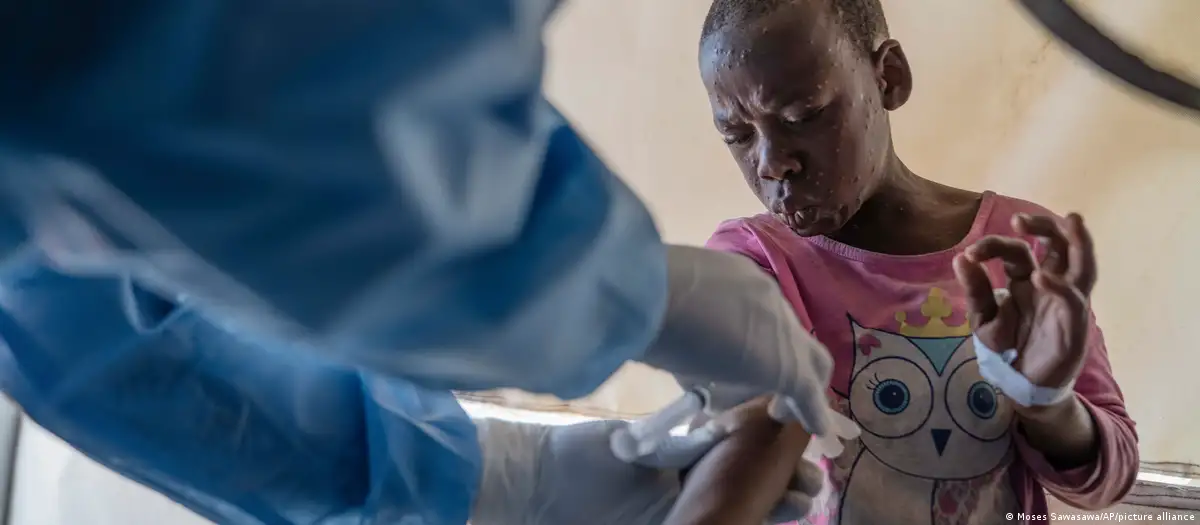
The funding gap created by the American withdrawal will disproportionately affect the most vulnerable countries, especially in Africa, where WHO resources are directed to combating infectious diseases and strengthening fragile health systems.
Between 2020 and 2021, for example, the WHO allocated 17.6 million dollars to Malawi alone. Analysts predict drastic reductions in essential resources.
“We know that most developing countries will have problems because they depend on the technical expertise of the WHO”, warns Malawian activist Maziko Matemba.
Controversial justifications
The Trump administration based the decision on fallacious arguments.
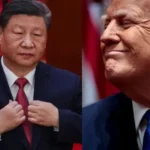
He cited the imbalance in financial contributions from countries with larger populations (such as China) that do not invest proportionately and criticized the WHO’s performance during the COVID-19 pandemic and “other global health crises”.
WHO Director-General Tedros Adhanom Ghebreyesu called the reasons “false” and warned that the measure makes “the US and the world less safe”.
African countries such as Nigeria, Uganda, Kenya, Mozambique, Zambia and the Democratic Republic of the Congo – the largest beneficiaries of US-linked global health funding – now face potential disruptions in drug procurement, prevention campaigns and community health services.
And programs such as the fight against HIV/AIDS, tuberculosis, malaria and the eradication of polio are at immediate risk.
The American withdrawal could seriously compromise disease monitoring, the ability to respond to emergencies and multilateral cooperation, as the WHO coordinates the detection of outbreaks and the exchange of vital information between countries.
Geopolitical reconfiguration of global health
The US exit reduces its influence over global health norms and standards, potentially opening space for other powers to set priorities. And it represents a break with seven decades of international health cooperation.
The WHO has already announced plans to reduce its workforce by approximately 25% by mid-2026, which could mean a loss of crucial technical expertise and leave the world more vulnerable to future pandemics.
With information from DW on 02/02/2026
Source: https://www.ocafezinho.com/2026/02/02/saida-dos-eua-da-oms-ameaca-sistemas-globais-de-saude/