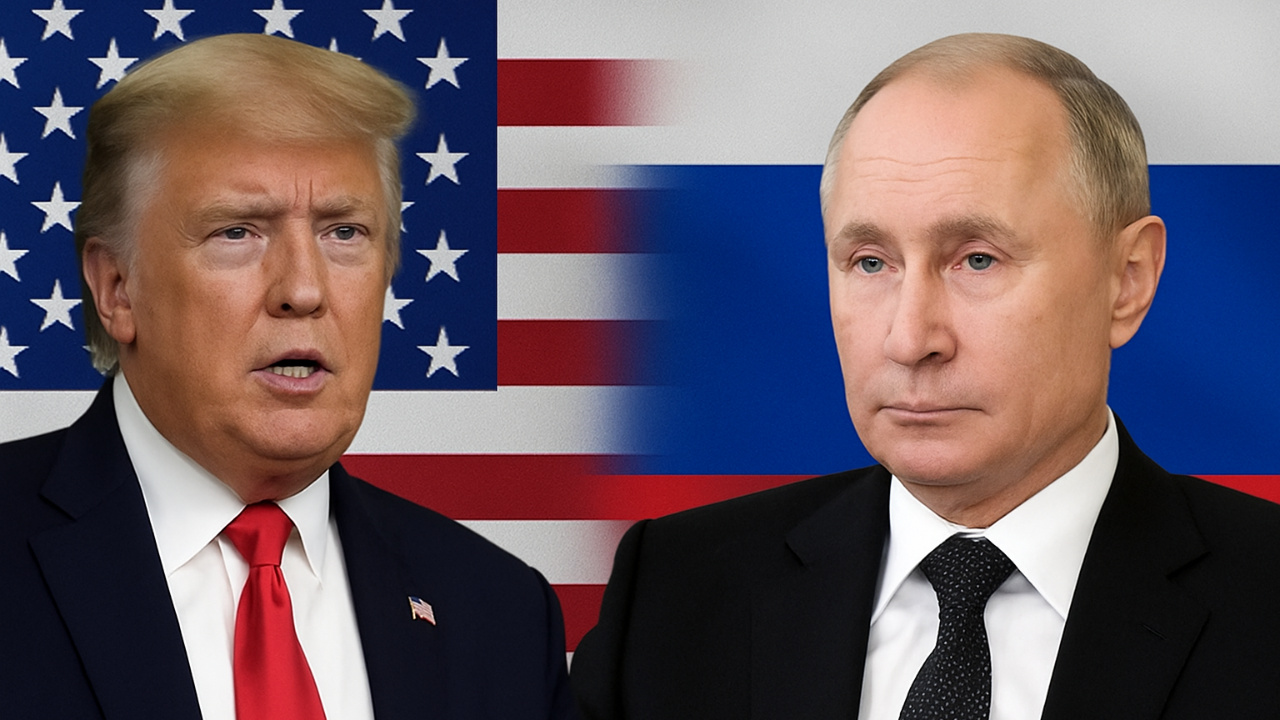
The United States announced a Temporary suspension of part of sanctions related to Russian oilallowing limited commercialization of cargo that was already in transit on the international market. The decision was announced by the US Treasury Department and comes amid the sharp rise in global commodity prices.
The emergency license allows crude oil and derivatives from Russia, shipped before the publication of the authorization, to be sold until April 11deadline set by American authorities. The measure represents the first direct easing of energy restrictions imposed against Moscow since the start of the war in Ukraine in February 2022.
Limited authorization for cargo already shipped
According to the United States government, the suspension is restricted in nature and does not change the main structure of sanctions applied to the Russian energy sector. Since March 2022, American companies have been prohibited from purchasing oil from Russia.
US Treasury Secretary Scott Bessent stated that the decision was made to resolve specific situations involving shipments that were already in maritime transport when the new license was issued.
He stated that authorization is “short term” and that “will not provide significant financial benefit to the Russian government”.
The intention, according to American authorities, is to avoid abrupt interruptions in international contracts and minimize immediate impacts on the global energy market.
Pressure on the oil market
The flexibility occurs at a time of strong instability in the international market. Recent conflicts in the Middle East have caused disruptions to strategic oil transport routes and increased the risk of global supply shortages.
As a result, oil prices rose again and again surpassed the US$100 per barrela level that has not been recorded since 2022.
The increase in the price of the commodity has caused chain effects in the world economy, putting pressure on the costs of fuel, transport and industrial production in several countries.
Sanctions had hit Russian companies and exports
In recent months, Washington has been intensifying economic pressure on Moscow through sanctions targeting the energy sector.
In October last year, the United States government announced restrictions against commercial operations involving two of Russia’s largest oil companies: state-owned Rosneft and the private company I locked it.
The measures directly affected the country’s oil exports, reducing the volume sold in some markets and putting pressure on maritime transport companies involved in trading the commodity.
Furthermore, countries that import Russian oil were also impacted by the sanctions policy. India, one of the main buyers of the product after China, temporarily suspended purchases after pressure from Washington.
Energy turbulence influences decision
The American government decided to temporarily ease restrictions following new turmoil in the global energy market.
The current crisis was intensified by the war in the Middle East, which increased price volatility and generated concern among governments and companies about the stability of global supplies.
In response to this scenario, the United States Department of Energy also recently announced the release of 172 million barrels of oil from the country’s strategic reservesa measure aimed at increasing global supply and reducing pressure on prices.
Temporary measure does not change sanctions policy
Despite the easing, American officials emphasize that the suspension does not represent a structural change in the sanctions policy against Moscow.
The authorization is considered emergency and limited only to specific cargo that was already in transit at the time of the decision. After the established deadline, the restrictions must be fully applied again.
While the global market continues to react to geopolitical instability and the energy crisis, analysts assess that decisions like this show the degree of pressure that oil volatility exerts on the economic and diplomatic policies of the great powers.
Source: https://www.ocafezinho.com/2026/03/13/eua-nao-suportam-pressao-e-suspendem-sancoes-ao-petroleo-russo/