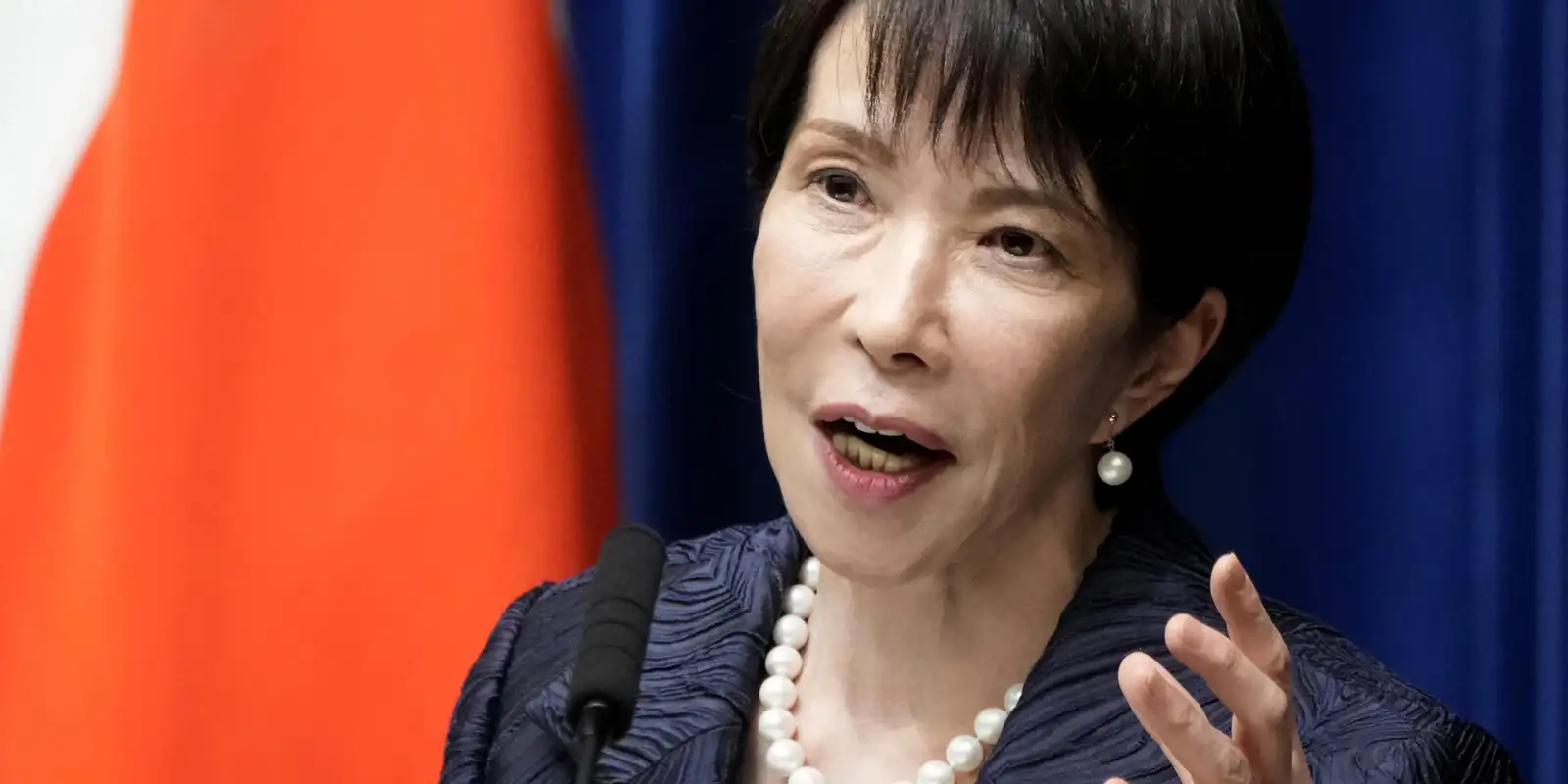
Japan’s Prime Minister, Sanae Takaichi, consolidated her power this Sunday (8) by leading the Liberal Democratic Party (PLD) to a sweeping victory in early elections for the Lower House. The bet to dissolve Parliament and submit its government to a popular vote resulted in a majority unprecedented since the post-Second World War, according to projections by public broadcaster NHK.
The PLD, in coalition with the Innovation Party of Japan, won 352 of the 465 seats in the Lower House. Alone, Takaichi’s party should exceed 310 seats, guaranteeing a two-thirds majority and comfortable control of the legislative agenda, including the presidency of all House committees. The main opposition bloc, the Centrist Reformist Alliance, suffered a heavy defeat and lost more than 100 seats.
Elected prime minister less than four months ago, Takaichi turned the election into a referendum on her leadership. In an interview with NHK after the results were released, he thanked voters for turning out at the polls and stated that he was looking for a clear mandate to implement a “responsible and proactive” fiscal policy, with significant changes in the country’s economic conduct.
The victory strengthens the agenda defended by the first woman to head the Japanese government, which includes tax cuts, fiscal expansion and increased military spending, in a context of regional tensions and containment of China. The economic proposals, especially fiscal flexibility, had been generating apprehension in financial markets, worried about the impact on Japanese public debt.
Takaichi took office after Shigeru Ishiba resigned, amid electoral defeats and a scandal of misuse of political funds that weakened the LDP. By bringing forward the elections, he sought to capitalize on his high personal approval ratings and renew the party’s legitimacy — an objective that was easily achieved.
With a conservative profile and considered a hard-liner within the PLD, Takaichi maintains a close relationship with the President of the United States, Donald Trump, who declared public support for the prime minister during the campaign. In recent publications, she highlighted the centrality of the alliance between Tokyo and Washington and indicated that she should meet with Trump in March. The proximity also refers to the republican’s relationship with Shinzo Abe, former Japanese prime minister and Takaichi’s political mentor, murdered in 2022.
With the new mandate, the prime minister will have a parliamentary basis to face the country’s structural challenges, such as the accelerated aging of the population, the increase in the cost of living, the devaluation of the yen and the deterioration of relations with China. Takaichi’s recent statements about Taiwan – stating that a possible Chinese attack on the island could lead to a Japanese military response – have already provoked diplomatic and commercial retaliation from Beijing.
Source: https://www.ocafezinho.com/2026/02/09/vitoria-ampla-de-takaichi-no-japao-da-mandato-para-cortes-de-impostos-e-aumento-de-gastos-militares/