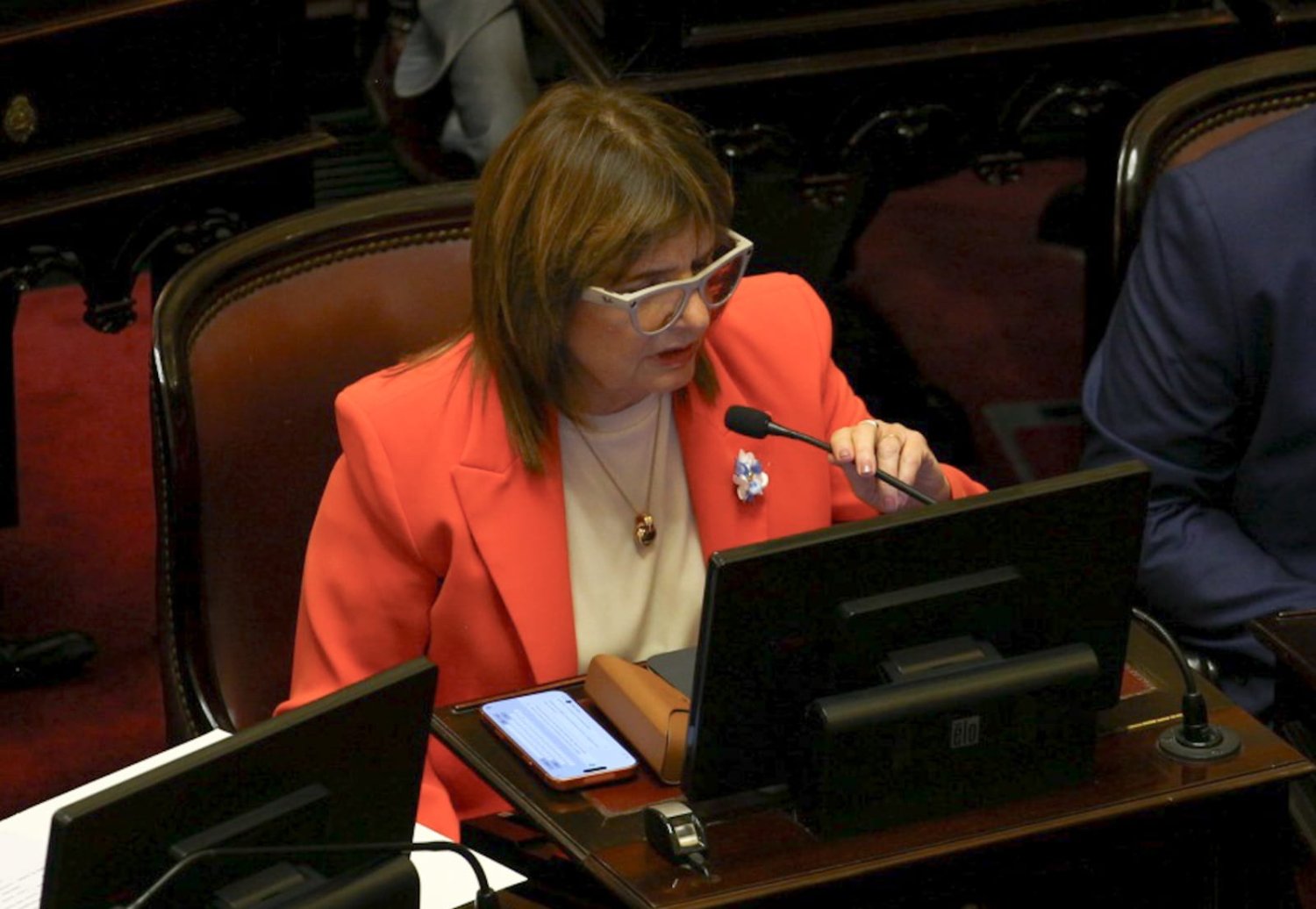
The general vote on the labor reform was held at 1:30 in the morning, after more than 14 hours of session in a day full of secrecy and negotiations in the offices until the last minute. There were 42 in favor and 30 against.
Between the votes in favor There were the same spaces that provided the quorum: La Libertad Avanza (20), UCR (10), PRO (3), Luis Juez from Córdoba, the missionaries from Passalacqua (Arce and Rojas), Espínola from Corrientes and Vigo from Córdoba (Llaryora), Ávila from the Tucumán governor of PJ Jaldo, Terenzi from Torres from Chubut, the former official of the Frente de Todos Flavia Royón – who today answers to the governor Salteño Saez-, and Corroza of the governor of Neuquén Figueroa.
The votes against They were from Peronism led by Mayans (21), those from Santiago del Estero of Governor Zamora (2), the dissident Peronists of Convicción Federal (5), and the Santacruceños of Governor Vidal (2).
Was protests outside Congress from noon, and which continued throughout the afternoon. Despite the repression, people continued to come to the square who wanted to express their rejection. The palace was protected by a mega operation, although it could not avoid street rejection. The day created the image of a government that had to hide from the population what it was about to vote on..
Negotiations on the text accelerated in the last 20 days but in complete secrecyand articles continued to be retouched until a while before the vote without knowing what was going to be voted on. Being a very broad law with more than 200 articles that modifies nodal points of labor laws, it was not openly debated for society as a whole and even less so for the workers who will be directly affected.
Es a reform that will worsen wages and working conditions, the quality of employment and even the possibility of organizing to weaken the bargaining power of business owners. The government negotiated looking at the number needed to be approvedwith the classic and give and take.
The concessions that Patricia Bullrich made and were nodal to get the votes were: get the reduction in the tax on earnings of companies that affected the automatic collection of governors (for co-participation), the commitment not to touch the union funds and social works to the CGTleave the monopoly to the banks for the payment of salaries and that virtual wallets be included, and some tweaks to the Work Assistance Fund to prioritize SMEs. Everything was done without affecting the “spirit” of the law that seeks to attack the working class
The negotiations were so secret that On the same Wednesday, a change was incorporated that made the text even worse for workers than the original mileism project.. If you get sick or have a health problem They are no longer going to pay you for the day or give you leave with 100% of your salary, but with 75% or 50%. A senator who participated in the entire negotiation with Patricia Bullrich, before the consultation of La Izquierda Diario revealed that this incorporation was proposed by the UCR.
The minister of the interior, Diego Santilliwalked the corridors of the Senate from noon to continue the negotiations and then secure the votes he was missing on some points such as the Work Assistance Fund that was at risk of falling. La Libertad Avanza risked everything to maintain it because there is a big business behind its creation, which many assimilate to the “timba” mechanism of the AFJP. With the presence of the minister, it was also finalized to incorporate into the text the transfer of national labor justice to the City: a long-standing request from large companies that prefer judges appointed by Macrismo in the Buenos Aires legislature. Patricia Bullrich went back and forth between the venue and offices, leading the negotiation until the end. “It is not an immediate transfer, but rather the process begins”Santilli explained.
A libertarian legislator who explained some changes to the text in the corridors of the Upper House, revealed that the government was in direct line with the leadership of the CGTto the point of handling very precise figures of the financial problems they must face. There were senators who were upset with the union leaders who negotiate everything with Bullrich but always take it from abovebecause the criticism only falls on those who have to vote for this labor reform.
La Libertad Avanza won the first legislative round of the labor reform. Now he will have to face the path in the Chamber of Deputies. The intention of the ruling party is to carry out a quick process in the Lower House, issue the committee’s opinion on February 18 and hold a session on the 25th. Hurry is another sign of weakness: If the deadlines are extended, rejection and anger may grow as the details of what the labor reform means for workers become known. A fear that can persist over time and complicate its application due to the resistance of those affected.
To follow the voting in particular:
Thread comes out with voting in particular on LABOR REFORM and what each TITLE contends for🧵 https://t.co/3ZjqGTupXj
— Jesica Calcagno (@Jesi_mc) February 12, 2026
Source: www.laizquierdadiario.com