Amid the tightening of American sanctions, Moscow reaffirms that it will continue sending oil to the island, while the Cuban population faces daily blackouts
Amid an increasingly tense geopolitical tableau, Moscow once again signals that it does not intend to turn its back on Havana. While Washington tightens sanctions and threatens the island’s commercial partners, Cuba faces a routine of blackouts that affect homes, hospitals and public transport. In this scenario, the continuity of Russian oil appears as a concrete relief — albeit temporary — for an exhausted population.
At the same time, the dispute exposes old wounds from the embargo and revives the debate on sovereignty, dialogue and the human costs of sanctions. Below are the main movements of this recent chapter.
Russian ambassador reaffirms commitment to the island
Moscow’s message came bluntly. In conversation with Sputnik, the Russian ambassador in Havana, Viktor Koronelli, reinforced the line of continuity. He recalled that the supply of oil has been occurring for years, in different circumstances, and indicated that there is no intention of disruption. “Russian oil has been supplied to Cuba on several occasions in recent years. We hope this practice continues,” said the diplomat.
In addition to words, gestures matter. On Wednesday, February 4, the tanker Pastorita left Havana Bay loaded with LPG. The scene gained symbolic strength. For many Cubans, each shipment means lights at night, ambulances on the road and buses on the streets. In other words, it means possible routine.
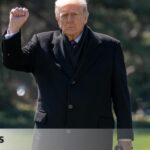
Just days earlier, on January 29, Donald Trump signed a climate-changing executive order. By declaring a national state of emergency, the president paved the way for additional tariffs against countries that sell oil to the island.
Trump justified the measure as defending the security of the United States. He also stated that Cuba would be “very close to collapse”. According to his version, the island had lost oil and Venezuelan resources after the American operation in Caracas, on January 3, which ended with the capture of Nicolás Maduro and his wife, Cilia Flores.
Even though the speech seeks internal support, the external impact is immediate. In practice, the order works as a warning to third parties and expands the economic siege.
Havana reacts and denounces the human costs of sanctions
The Cuban response was harsh. Miguel Díaz-Canel classified the new round of measures as “fascist, criminal and genocidal”. The rhetoric reflects the official reading that the energy strangulation goes beyond the diplomatic field and affects everyday life.
In fact, without Venezuelan oil, the country experiences frequent blackouts. Hospitals operate under stress. Industries reduce shifts. Residences reorganize habits. Independent analysts warn of humanitarian risks if the blockade persists. In contexts like this, children, the elderly and the sick feel it first — and more.
Ambiguous signals from Washington keep the pressure on
The following Sunday, Trump returned to the topic and mentioned negotiations with Cuban leaders. He did not provide details. The statement sounded ambiguous. For critics, it works as an instrument of pressure: one accepts negotiating under imposed conditions or faces greater isolation.
This combination of threat and beckoning is not new. Over the decades, American policy has oscillated between toughness and vague promises. The result, almost always, falls on the island’s population.
On Monday, Chancellor Bruno Rodríguez responded with pragmatism. He stated that the Cuban government is willing to “reactivate” and “expand” bilateral cooperation with the United States in areas such as combating transnational threats, such as terrorism.
The message seeks balance. Cuba signals dialogue, but rejects submission. In other words, he agrees to talk, as long as sovereignty does not become a bargaining chip. The tone contrasts with the inflammatory rhetoric and attempts to keep the door ajar.
Energy crisis exposes the island’s historic dependencies
The current shortage did not come out of nowhere. Since the end of the Soviet Union, Cuba has depended on fuel imports. Venezuela occupied this space for years. Now, after the American intervention in Caracas, that support has dried up.
Russia and other partners are trying to fill the gap. However, experts from international organizations remember that broad sanctions rarely affect governments in isolation. They affect, above all, the most vulnerable. Therefore, progressive voices around the world criticize the escalation and demand diplomatic solutions.
For now, Moscow is keeping the channel open and sustaining supplies. Koronelli made that clear. Havana, in turn, resists and insists on dialogue on equal terms. Washington alternates between threats and unrealistic promises.
The next chapter is still open. However, one certainty remains. The Cuban people, accustomed to going through successive crises, continue to seek to keep the lights on — literally and politically — in a scenario of pressure that seems to have no end.
With information from La Jornada*
Source: https://www.ocafezinho.com/2026/02/06/petroleo-russo-sustenta-cuba/