The Senate of Mexico approved this Wednesday (11) a proposed amendment to labor legislation that reduces the weekly working day from 48 to 40 hours. The text received 121 unanimous votes in favor and will be forwarded to the Chamber of Deputies for final analysis.
If ratified by both houses of Congress, the change will come into force on May 1, with gradual implementation starting in January 2027. The schedule foresees a reduction of two hours per year until 2030, with no change in salaries. The estimate is that around 13.4 million workers will be affected by the new rule.
During the presentation of the proposal, the president of the Labor and Social Security Committee, senator Geovanna Bañuelos de la Torre, stated that “working fewer hours does not mean producing less, but rather living better”, as reported by the Mexican newspaper The Economist.
Data cited by the Reuters agency indicate that Mexico leads among the Organization for Economic Cooperation and Development (OECD) countries in number of hours worked per year, with an average of 2,226 hours per worker. Among the 38 members of the bloc, the country also has the lowest levels of labor productivity and the lowest wages.
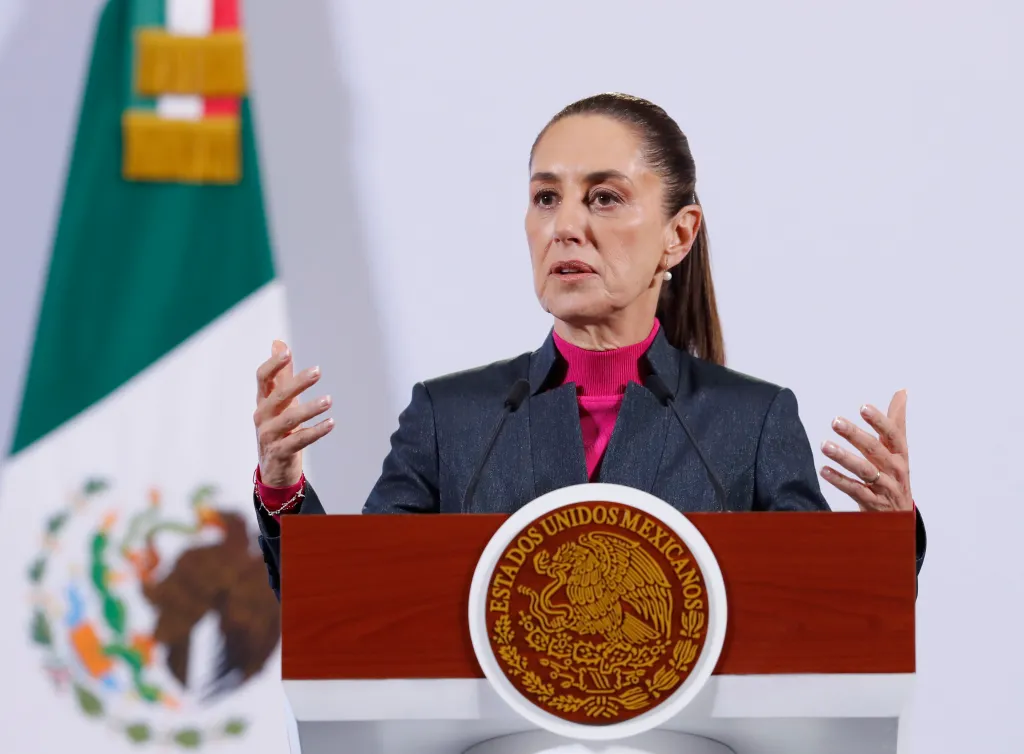
The initiative was sent to Congress in December by President Claudia Sheinbaum, after years of negotiations with representatives of the private sector. In addition to reducing weekly working hours, the project changes the limit on paid overtime, increasing the weekly limit from nine to 12 hours, and prohibits children under 18 from carrying out overtime work.
Opposition parliamentarians expressed reservations about the text. Among the criticisms is the lack of explicit provision for a regime of five consecutive days of work followed by two days of rest. There were also questions about the increase in the limit of double paid overtime, a measure considered by some congressmen as a possible setback.
Source: https://www.ocafezinho.com/2026/02/13/reforma-trabalhista-mexicana-avanca-e-preve-corte-de-horas-sem-reducao-salarial/