Maduro’s first hearing in New York goes beyond the legal field and reopens the debate on intervention, sovereignty and limits of global jurisdiction
New York has seen it all. However, few scenes carried as much symbolism as that of Nicolás Maduro crossing the doors of a federal court. This Monday morning (5), the former Venezuelan president sat in the dock on North American soil. The gesture, in itself, already redraws invisible borders between Justice, politics and international force.
This is not just a criminal case. This is, above all, a noisy chapter of geopolitical disputes on the continent. For some, it is strict enforcement of the law. For others, it is another episode of direct intervention in the internal affairs of Latin America. The fact is that no one remained indifferent.
The hearing took place under unusual security even by New York standards. Every detail reflected the seriousness of the narcoterrorism accusations attributed to Maduro. Even so, the Venezuelan maintained a firm stance and a watchful eye in front of judge Alvin Hellerstein.
From the beginning, Maduro questioned the legitimacy of the arrest itself. He recalled that his detention occurred after a controversial US military operation in Caracas. For him, there was no international cooperation. There was strength.
While the prosecution presented the case as combating transnational organized crime, critics saw something bigger. For these sectors, the trial symbolizes the attempt to subject uncomfortable leaders to the scrutiny of foreign courts.
Also read: The US at the center of a historic diplomatic controversy
When asked to formally identify himself, Maduro transformed the protocol into a political declaration. With a controlled voice, he reaffirmed his own legitimacy and described his withdrawal from Venezuela as the result of external coercion.
When asked about his alleged involvement in international drug trafficking, he responded bluntly. “I’m not guilty,” he said. He then reinforced his personal and political narrative: “I’m a decent man. I’m still the president of my country.”
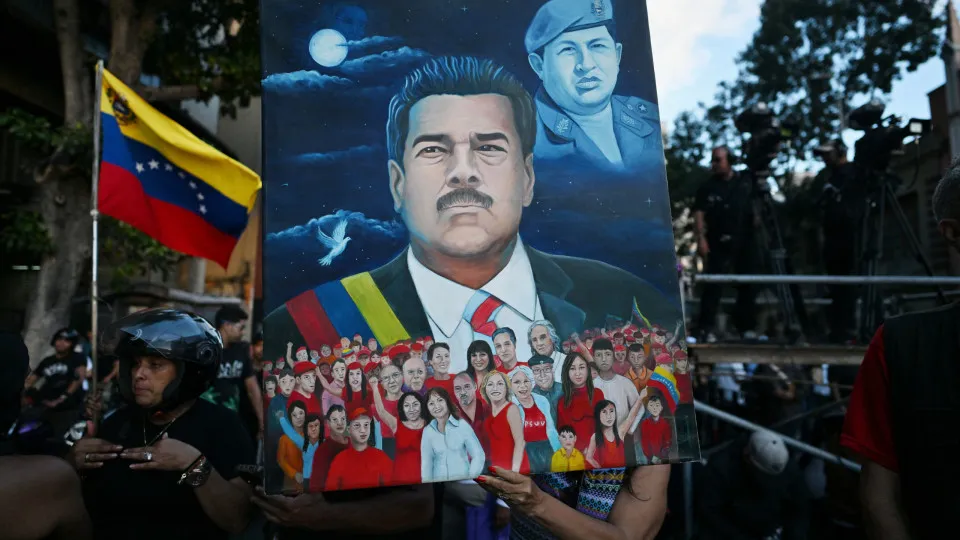
These words were not restricted to the courtroom walls. They resonated with supporters who see the process as political persecution. For this group, Washington tries to criminalize political projects that challenge its historical influence in the region.
Rights explained too late
One of the most delicate moments of the hearing came when the judge detailed the basic rights guaranteed to the defendant. Hellerstein explained that Maduro can count on defense paid by the court and that there is, even if remotely, the possibility of provisional release.
The reaction was surprising. Maduro stated that he was unaware of these guarantees until that moment. “I was not aware of these rights, Your Excellency informed me about them now”, he declared.
The speech raised immediate questions. How was the arrest conducted? Was there respect for fundamental rights from the outset? Progressive jurists point out serious risks when a former head of state reports ignorance of basic guarantees.
While the prosecution insists on the crimes, the debate outside the courtroom grows. Social movements and experts warn of the precedent set when judging a foreign leader under the internal laws of another country. The topic of sovereignty returned to the center of the discussion.
For these critics, the process goes beyond the legal field. It is part of a larger strategy of political pressure and isolation. On the other hand, the US government maintains that it is acting within the law to dismantle an international criminal network.
Among these versions, the truth competes for space with global interests.
Narcoterrorism: crime or narrative?
The indictment against Maduro and his wife, Cilia Flores, is extensive and loaded with symbolism. The charges include conspiracy to commit narco-terrorism, importing cocaine and using heavy weapons. According to the documents, Maduro had led a scheme in alliance with guerrilla groups.
The defense responds vehemently. He argues that the evidence serves to justify a change of regime through judicial means. It maintains that the term “narcoterrorism” functions as a political label, useful for dehumanizing opponents and legitimizing interventions.
Meanwhile, Maduro remains in detention. The next hearings have not yet been scheduled. The future of the case remains unclear.
Maduro’s trial is not limited to guilt or innocence. He exposes, in a crude way, how courts can become arenas of global dispute. In the end, the question that persists is not just legal. It’s politics: who judges who when power crosses borders?
Source: https://www.ocafezinho.com/2026/01/09/caso-maduro-transforma-corte-americana-em-arena-geopolitica/