Iran’s ambassador to the United Nations, Amir Saeid Iravani, stated this Thursday (12) that the country does not intend to close the Strait of Hormuz, one of the most strategic maritime routes for global oil trade. The statement was made hours after the new Iranian supreme leader, Mojtaba Khamenei, stated that the road could remain blocked as an instrument of pressure in the conflict with the United States and Israel.
“We will not close the Strait of Hormuz, but it is our intrinsic right to preserve peace and security in this waterway,” Iravani told reporters at UN headquarters in New York.
The diplomat insisted that Iran remains committed to freedom of navigation in the region and held the United States responsible for the deteriorating security situation in the Gulf.
“The current situation in the region, including in the Strait of Hormuz, is not the result of Iran’s legitimate exercise of its right to self-defense. On the contrary, it is a direct consequence of the destabilizing actions of the United States, which launched aggression against Iran and undermined regional security,” he said.
The statements came just hours after Mojtaba Khamenei’s first public statement since assuming the role of supreme leader of Iran, following the death of his father, Ayatollah Ali Khamenei, in an attack carried out at the beginning of the war between the United States and Israel.
In the statement broadcast on Iranian state television, Mojtaba defended maintaining the blockade of the Strait of Hormuz as part of the pressure strategy against Tehran’s opponents.
“The instrument of blocking the Strait of Hormuz must certainly still be used,” stated the leader in his speech.
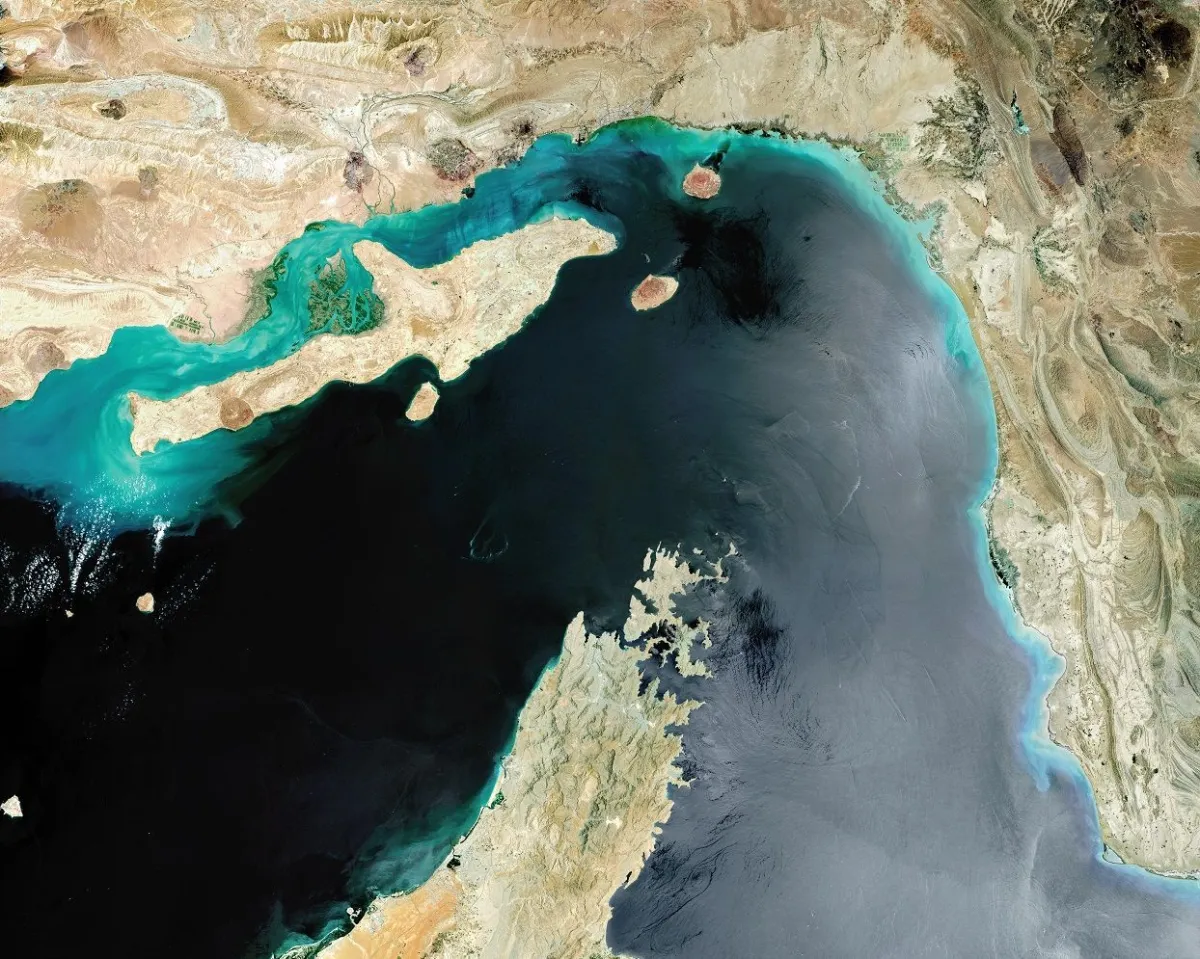
The Strait of Hormuz connects the Persian Gulf to the Gulf of Oman and is considered one of the most sensitive points in global energy geopolitics. It is estimated that around a fifth of the oil traded globally passes through the maritime route daily. Any threat of traffic disruption in the area tends to have an immediate impact on international energy markets.
In addition to the UN ambassador’s statement, Iranian authorities reinforced that foreign ships can still cross the strait, as long as there is coordination with the country’s Navy. Iranian Foreign Ministry spokesman Esmaeil Baghaei said navigation remained possible despite the military escalation.
“After recent events, in general we cannot return to the conditions prior to February 28 (start of the war in the Middle East), as we understand the importance of security in the Strait of Hormuz, and the same was said by others,” he declared.
The statements come at a time of increasing military escalation between Iran, the United States and Israel. Since the start of the conflict, Iranian forces and regional allies have launched attacks against American and Israeli positions in the Middle East.
In the statement released earlier, Mojtaba Khamenei also threatened to directly target United States military bases in the region. “All American bases in the region must be closed immediately. These bases will be attacked,” he said in the statement broadcast on state television.
In the same speech, the leader promised to retaliate for the deaths that occurred during the conflict and stated that Iran will continue to seek compensation for the attacks. “We will demand compensation from the enemy. If we do not get compensation, we will destroy their properties as much as they destroyed ours,” he declared.
Khamenei also tried to minimize possible tensions with neighboring Gulf countries. According to him, Iranian attacks in the region only target American military installations. “We have had a good relationship with all these 15 neighboring countries… we have only attacked these military bases and we will continue, we will have to continue and we will continue to do so,” he said.
The Iranian leader has not yet appeared publicly since taking office. Officials and diplomatic sources indicate that he was injured during the air strike that killed his father.
Iran’s ambassador to Cyprus, Alireza Salarian, told the British newspaper The Guardian that Mojtaba Khamenei was hit in the same bombing that killed the former supreme leader and other family members.
His lack of public appearances since then has fueled speculation about his health, although Iranian officials insist he remains in charge of the country’s political and military operations.
Source: https://www.ocafezinho.com/2026/03/12/embaixador-iraniano-na-onu-diz-que-ormuz-permanecera-aberto-e-culpa-eua-por-crise/