Iran sees initial progress in indirect negotiations with the US mediated by Oman
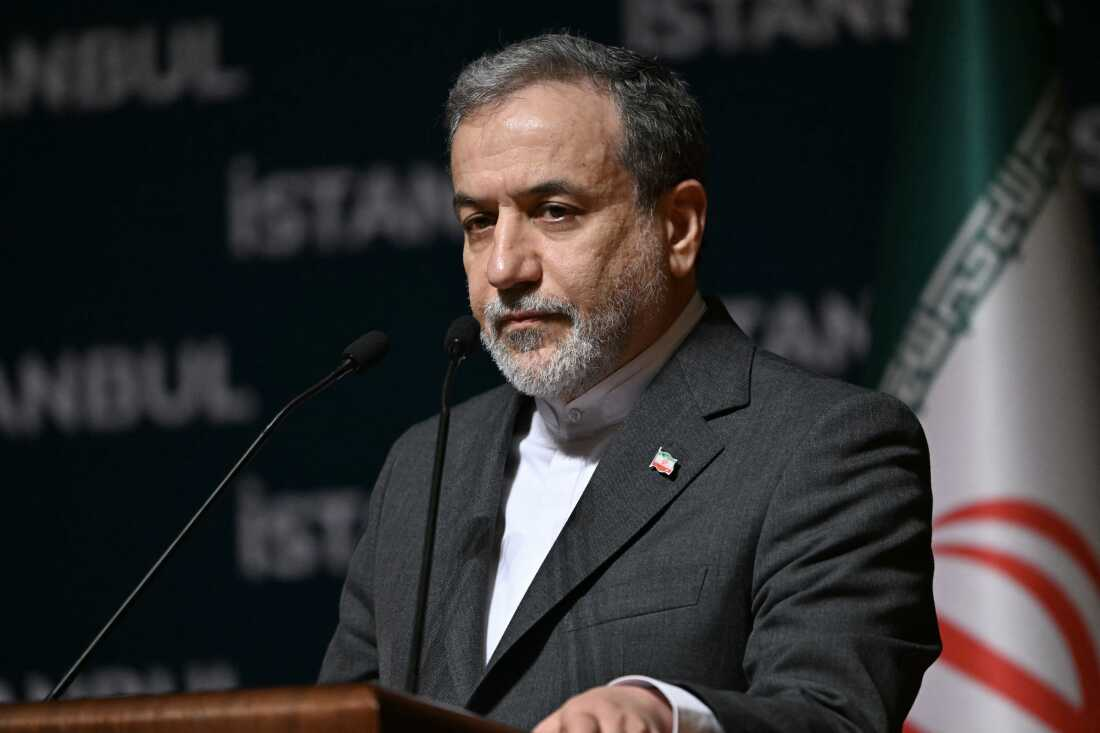
The indirect negotiations between Iran and the United States, held this Friday in Oman, marked a rare moment of detente in an international scenario dominated by conflicts, sanctions and military threats. For Tehran, the initial balance was positive. The top Iranian diplomat classified the meeting as a “good start”, indicating that, despite the deep differences between the two countries, there is still room for diplomacy.
Iranian Foreign Minister Abbas Araghchi spoke directly from Muscat in a live interview with Iranian state television. According to him, the conversations took place in several rounds and focused, above all, on building a basis for future negotiations. The diplomat highlighted, however, that it will now be necessary to take the results to the respective political leaders before any concrete progress can be made.
Oman returns to acting as a diplomatic bridge
Oman once again played the role of mediator between Washington and Tehran, a role that the sultanate has been assuming for years in times of crisis. This Friday, the country facilitated indirect negotiations on Iran’s nuclear program, in a clear effort to reduce tensions that have worsened following military attacks and internal repressions in Iran.
The context is delicate. The United States bombed Iranian nuclear facilities during the 12-day war between Israel and Iran in June. At the same time, the Iranian government responded with a violent crackdown on protests in several regions of the country, deepening the Islamic Republic’s international isolation.
Oman’s discreet diplomacy gained visibility when Associated Press journalists observed Iranian and American officials separately visiting a palace on the outskirts of Muscat. Both sides met with the sultanate’s Foreign Minister, Badr al-Busaidi, in separate but coordinated meetings.
Palace near the airport hosts sensitive meetings
The location chosen for the negotiations was not random. The palace, located near Muscat’s international airport, had already hosted similar meetings in 2025. On Friday, journalists witnessed the arrival of Iranian authorities at the site and, later, the group’s return to the hotel where they were staying.
Only after the Iranian convoy left did American vehicles enter the premises. Among them, an SUV with the United States flag caught attention. The group remained in the palace for about an hour and a half. Then, the space became empty, raising doubts about whether that round of conversations had been concluded or just suspended.
Later, Oman’s Foreign Ministry released an official statement confirming al-Busaidi’s separate meetings with Araghchi, US special envoy for the Middle East Steve Witkoff, and Jared Kushner, President Donald Trump’s son-in-law.
American military presence draws attention
An unusual detail marked this round of negotiations. Images released by Oman’s state news agency showed that US Navy Admiral Brad Cooper, head of the US Armed Forces Central Command, also attended the meetings. The presence of a high-ranking military authority had not occurred in previous meetings and signals the weight of the military factor in the discussions.
In the official statement, Oman stated that “the consultations focused on preparing appropriate circumstances for the resumption of diplomatic and technical negotiations, ensuring the importance of these negotiations, in view of the determination of the parties to ensure success in achieving sustainable security and stability.”
Despite this, neither Washington nor Tehran released their own reports on the content of the conversations, maintaining the traditional climate of secrecy that surrounds this type of negotiation.
Recent escalation pushes for dialogue
The talks in Oman come months after an abrupt halt in dialogue caused by the June war between Israel and Iran. During the conflict, American strikes hit Iranian nuclear facilities, possibly destroying centrifuges used to enrich uranium to levels close to that needed for nuclear weapons. Additionally, Israeli bombings have weakened Iran’s air defenses and hit its ballistic missile arsenal.
American authorities assess that Iran is going through a moment of unprecedented fragility since the Islamic Revolution of 1979. For US Secretary of State Marco Rubio, last month’s mass protests represented the greatest challenge to the government of Ayatollah Ali Khamenei, now 86 years old.
The regime’s response was harsh. The repression left thousands dead and reportedly led to the arrest of tens of thousands of people. This scenario, in turn, provoked new military threats from American President Donald Trump, increasing the risk of a direct confrontation.
Regional risk worries Gulf countries
Even with the United States’ demonstration of military strength in the region — which includes the USS Abraham Lincoln aircraft carrier, warships and fighter jets — experts and regional governments fear the consequences of a new attack. The Arab monarchies of the Gulf assess that an offensive could trigger a major regional war.
Fear is not abstract. Recently, American forces shot down an Iranian drone near the USS Lincoln. In addition, Iran attempted to intercept an American-flagged ship in the Strait of Hormuz, a strategic route for global oil trade.
Behind the scenes reveal caution and distrust
Even before negotiations began, signs of tension were visible. On Thursday, Omani border authorities expressed particular concern about people carrying cameras entering the country. The atmosphere was one of absolute vigilance and discretion.
On the Iranian side, Araghchi made clear Tehran’s cautious stance by writing in X that “Iran enters diplomacy with open eyes and a solid memory of the past year.” He reinforced: “Commitments need to be honored. Equal conditions, mutual respect and mutual interest are not rhetoric — they are essential and the pillars of a lasting agreement.”
Ali Shamkhani, one of the supreme leader’s top advisors, also expressed support for the chancellor. For him, Araghchi “is a skilled, strategic and reliable negotiator at the highest levels of decision-making and military intelligence.”
Nuclear program remains at the center of the impasse
It remains unclear how far Iran is willing to concede. Tehran insists that talks be limited to its nuclear program. However, according to Al Jazeera, diplomats from Egypt, Turkey and Qatar presented a proposal that would include suspending uranium enrichment for three years, sending highly enriched material out of the country and a commitment “not to start using ballistic missiles”.
Russia would have signaled its willingness to receive the uranium. Still, Shamkhani said ending the nuclear program or sending the material out of Iran is out of the question.
On the American side, Rubio advocates a broader approach. For him, negotiations need to include all these issues. “I’m not sure you’ll be able to reach an agreement with these guys, but we’ll try to find out,” he said.
With information from AP*
Source: https://www.ocafezinho.com/2026/02/06/conversas-indiretas-entre-ira-e-estados-unidos-marcam-bom-inicio-em-oma/