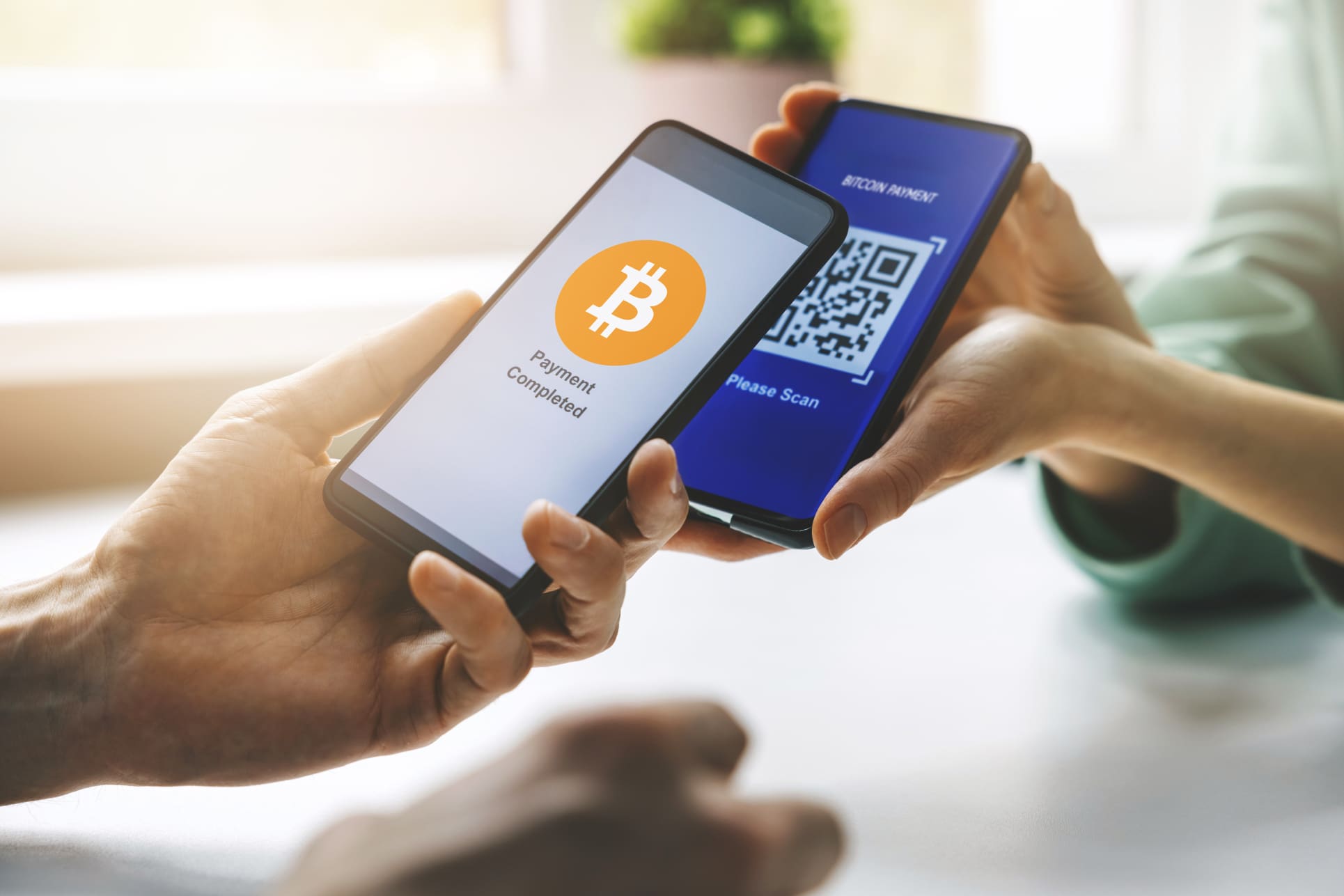
Bitcoin (BTC) was once presented as digital cash. In practice, this rarely happens these days. A new study from mining platform GoMining shows how Bitcoin owners actually handle their digital coins.
Little interest in paying with Bitcoin
A new survey from GoMining shows that 55 percent of Bitcoin owners rarely or never use their crypto coins for everyday payments. The poll was conducted among more than 5,700 participants.
The main reason why Bitcoin is rarely used as a means of payment is the lack of infrastructure. Nearly half of those surveyed indicate that most stores simply do not accept crypto.
In addition, high transaction costs (44.7 percent) and slow processing times (26.8 percent) are also often mentioned as important obstacles.
Price volatility also plays an important role: 43 percent of participants see this as a reason to prefer to hold their BTC. Bpvendien is deterred by the fear of scams: more than a third mention possible scams as a reason not to use Bitcoin as a means of payment.
In short: although many users believe in crypto, the practical use of BTC in daily life remains limited. Most coins simply remain in the wallet.
Bitcoin started as money, now it is digital gold
Bitcoin was launched in 2009 by the mysterious Satoshi Nakamoto, who described it as “a peer-to-peer electronic cash system.” The launch was revolutionary. For the first time, people could pay digitally without the intervention of banks or other central parties.
The original whitepaper focused on instant payments, just like cash, but online. Yet that original idea has gradually faded into the background. Bitcoin developed from an alternative payment method to a digital form of gold.
BTC has all the properties of a fixed asset. It is scarce, difficult to counterfeit and not dependent on governments or banks. And unlike gold, Bitcoin can be sent digitally worldwide within minutes, without the need for an intermediary.
The lightning network
Attempts have been made to make Bitcoin more suitable for payments. The best-known example is the Lightning network: a second layer on top of the Bitcoin blockchain that enables fast and cheap transactions.
Instead of processing every payment directly on the blockchain, users open a payment channel in which they can pay multiple times. Only when that channel is closed is the final balance recorded on the main network.
While this system offers efficiency, it comes with compromises. Lightning transactions are less secure than on-chain payments.
Source: https://newsbit.nl/is-bitcoin-mislukt-als-betaalmiddel-nieuw-onderzoek-zegt-van-wel/