The presidents of the European Commission and the European Council, Ursula von der Leyen e Antonio Costasent a letter to the president Luiz Inácio Lula da Silva (PT) reaffirming the commitment of European Union with the signing of the free trade agreement between the European bloc and the Mercosur in early January 2026.
The demonstration occurred after the non-conclusion of the treaty during the Mercosur Summit, held in Foz do Iguaçuin Paraná, where the formalization of the agreement was expected. According to CNN Brazilthe letter was sent with the aim of clarifying the reasons for the postponement and avoiding the interpretation that the process was paralyzed.
Internal procedures postponed signature
In the document, Ursula von der Leyen and António Costa explain that the signature scheduled for December was not possible due to the need to complete internal procedures in the European Councilthe body responsible for formally authorizing international agreements signed by the European Union.
“Although, regrettably, it is not possible to move forward with the signing of the agreements on December 20, as the internal procedures in the Council necessary to authorize the signature are still in the final phase, we are actively working to finalize these steps without delay”, state the European leaders in the letter.
According to the text, the delay is of a technical and administrative nature, not a political one. “We would like to reaffirm our firm commitment to proceed with the signing of the EU–Mercosur Partnership Agreement and the Interim Trade Agreement in early January, at a time to be agreed between the respective parties”, they add.
Frustrated expectations at the Mercosur summit
The signing of the treaty was expected to take place on Saturday (20), during the summit held in Brazil, the last meeting of Mercosur under the Brazilian presidency before the transfer of command of the bloc to Paraguay. The event had initially been scheduled for the beginning of December and ended up being postponed due to the expectation of Ursula von der Leyen’s presence to formalize the agreement.
However, requests for postponement submitted by France e Italy within the scope of the European Council prevented the authorization from progressing. Without the approval of the collegiate, the president of the European Commission was prevented from signing.
Resilience of the European agricultural sector
The main focus of resistance within the European Union comes from the agricultural sector. Rural producers, especially in France and Italy, are putting pressure on their governments against the agreement, claiming that expanding access to South American agricultural products could affect the competitiveness of European internal markets.
The Italian Prime Minister Giorgia Meloni publicly declared that he is working to convince his country’s agricultural sector about the benefits of the treaty and make it possible to sign it in January. Faced with this scenario, the Mercosur countries agreed to wait for the European procedures to be completed.
Lula demands political will
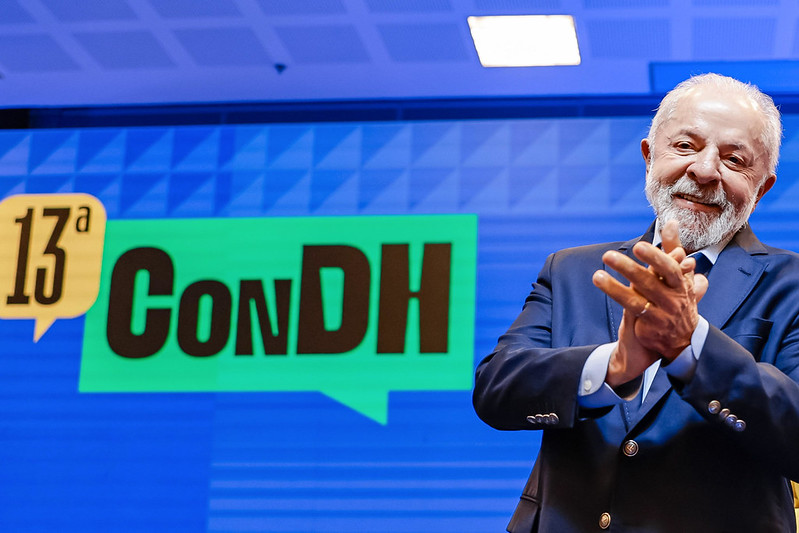
During the summit in Foz do Iguaçu, President Lula criticized the delay in concluding the treaty, which has been under negotiation for more than two decades. “Without the courage and political will of the leaders, it will not be possible to conclude negotiations that have been going on for 26 years,” he stated.
In the letter, Ursula von der Leyen and António Costa recognized the role of the Brazilian president in advancing the negotiations. “We would like to express our sincere gratitude for your leadership and for your firm personal commitment to the relationship between the European Union and Mercosur,” they wrote.
Strategic importance of the agreement
European leaders highlighted that the agreement represents a strategic step towards strengthening political, economic and commercial relations between the two regions. According to the letter, the treaty sends “a powerful signal of our collective determination to deepen cooperation based on shared values, mutual trust and long-term interests.”
The EU–Mercosur Partnership Agreement provides for the gradual reduction of tariffs, expansion of bilateral trade, common rules for investments, government purchases, environmental sustainability and labor commitments. If signed and ratified, the treaty would create one of the largest free trade zones in the world, covering more than 700 million people.
With the reaffirmation of the European commitment, the Brazilian government is now working with the expectation that the signing will take place in the first weeks of January 2026, ending one of the longest negotiating processes in the history of contemporary international trade.
Source: https://www.ocafezinho.com/2025/12/20/uniao-europeia-se-rende-a-lula-e-vai-assinar-acordo-com-mercosul-em-janeiro-de-2026/