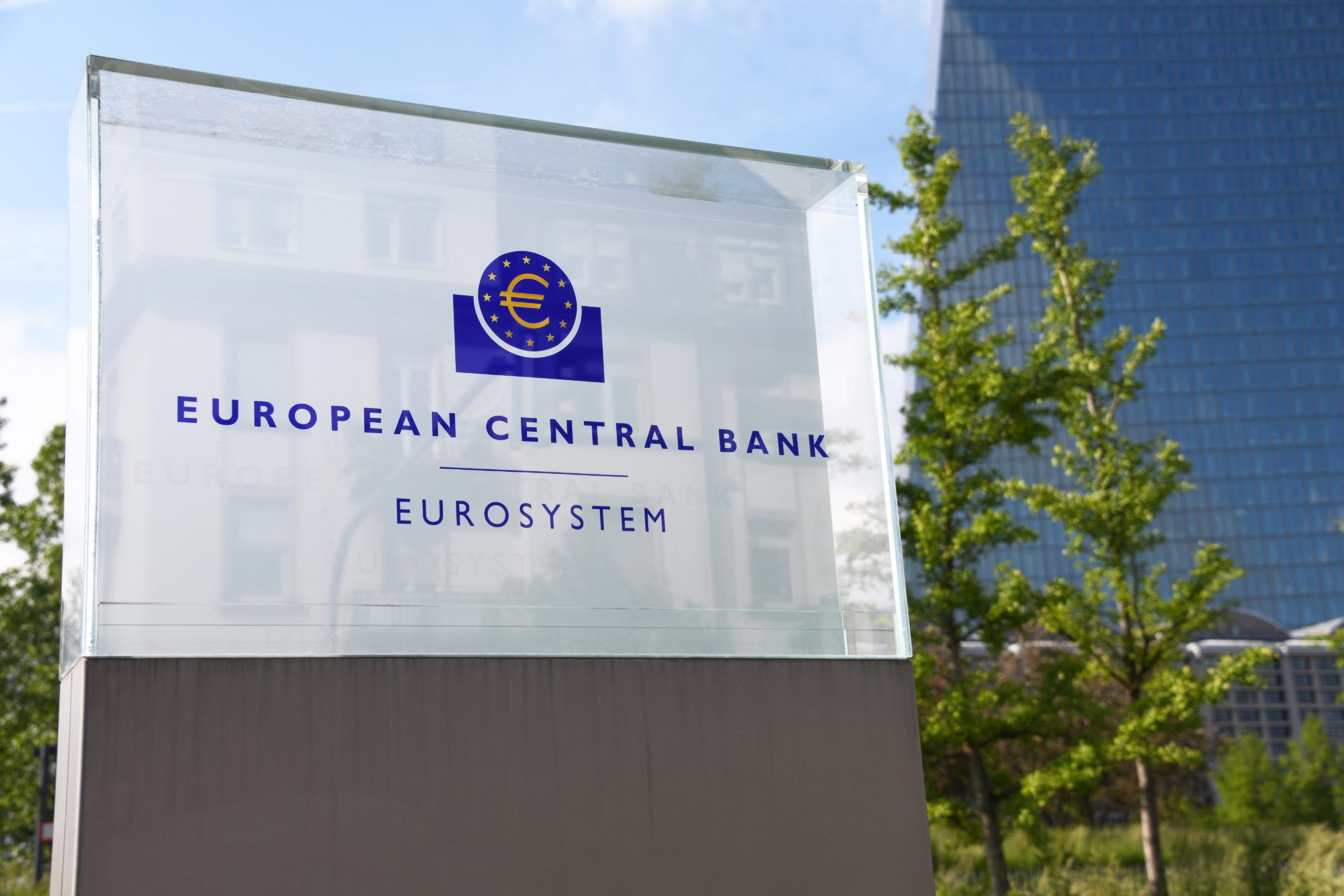
The European Central Bank (ECB) has completed its preparatory work on the digital euro. The ball is now in the court of European legislators, who must decide on the further introduction of the digital currency. However, this process can take a long time.
Digital euro as a public means of payment
During the last press conference of the year, ECB President Christine Lagarde announced that the digital euro is ready for rollout:
“We have done our job, we have done the hard work, but now it is up to the European Council and later certainly also to the European Parliament.”
The central bank has developed the necessary infrastructure and established the necessary security measures. The focus is now on the political process to legally anchor the digital euro.
The digital euro is set up as a public, widely usable digital currency with legal tender status. The aim is to keep a modern and cost-efficient form of a ‘central bank digital currency’ (CBDC) available to the public. According to the proposal, the digital euro should contribute to financial stability, monetary sovereignty, privacy and inclusion.
The ECB emphasizes that the digital euro can provide a high level of privacy for digital payments. Unlike stablecoins, which are issued by private parties and backed by reserves, the digital euro is an issue of the central bank. This means it retains the same legal status as cash.
According to ECB board member Piero Cipollone, the urgency for a digital euro has increased due to international developments. In January, he pointed to plans within the United States under President Donald Trump to strengthen the role of the US dollar through stablecoins. These developments underlined the importance of monetary autonomy for the EU.
Political resistance and geopolitical context
Despite the progress, there is political resistance. For example, Trump indicated in early 2024 that he would “never allow” a CBDC due to concerns about government control. With a presidential decree, he prohibited federal agencies from developing or promoting a CBDC. The EU is therefore taking a different path.
Within the EU, there has been talk since 2021 about the risk of monetary control shifting to private or foreign players as the use of cash declines. The relationship to public blockchains such as Ethereum (ETH) and Solana (SOL) was also discussed. However, the ECB emphasizes that the regulations are technology neutral.
The International Monetary Fund (IMF) recently warned that private digital forms of money, such as stablecoins, could undermine monetary policy. European institutions are therefore working on clearer timelines for pilot projects and a possible launch towards the end of this decade.
Earlier this month it was announced that the ECB is aiming for a launch of the digital euro in 2029.
Source: https://newsbit.nl/ecb-klaar-voor-digitale-euro-nu-is-het-aan-de-politiek/