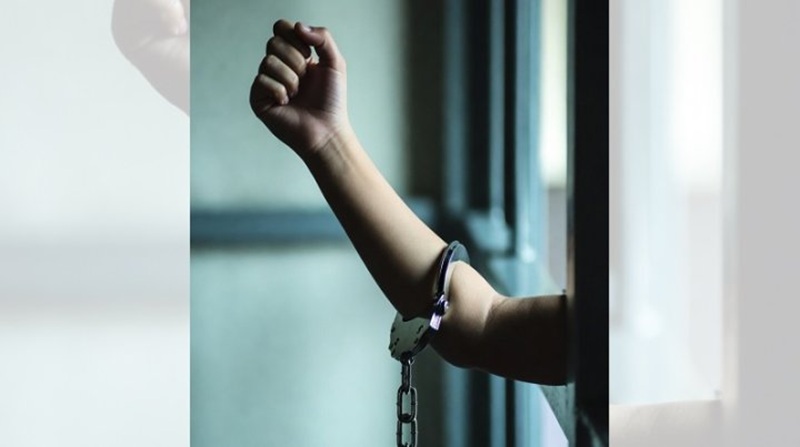
The Milei Government will seek this Thursday February 26 make the new law into law Juvenile Penal Regimeafter having obtained half a sanction in the Chamber of Deputies on February 12. The central axis of the project is the lowering of the age of imputability to 14 years and the possibility of establishing sentences of up to 15 years for minors.
The initiative was generally approved in Deputies with 149 affirmative votes and 100 negative voteswithout abstentions. The ruling party promoted a special session within the framework of the extraordinary ones and closed a final draft against the clock, while negotiating support until the last minute. Now there is a rush to three days before the end of the extraordinary session period so that the Senate in 48 hours not only approves this project, but also modifies the Glacier Law and passes the Labor Reform (Friday).
In Deputies, the block of Freedom Advances It contributed 94 votes and had 11 PRO deputies. He also added 6 from the UCR and representatives from the United Provinces, among them Martín Lousteau, as well as other leaders who identify themselves as progressive, such as Esteban Paulón from Santa Fe.
During the last debate, Myriam Bregman and Nicolás del Caño harshly questioned the initiative. Both pointed out that there is no evidence of a sustained increase in crimes committed by minors that justifies the reform and warned that in countries where the age of imputability was lowered, there was not a decrease in crime, but in some cases an increase.
Specialists agree that the early imprisonment does not reduce violence: multiply it. Far from reintegrating, it pushes young people into criminal networks where adults, with political, judicial and police complicitiesthey benefit at their expense as cheap labor for organized crime.
Intervention by Nicolás del Caño
Intervention Myriam Bregman
Although the ruling party presents the project as part of a “fight against crime” policy, the discussion is not new: since 2024 the Government has deployed a media crusade to present the lowering of the age of imputability as a magical solution to crime. Today, he returns to the scene in these extraordinary sessions. But far from attacking the structural causes of violence, the proposal targets the most vulnerable sectors and consolidates a policy that punishes poverty instead of fighting it. Therefore, it is necessary to reject this project as an attempt to historically set back the rights of children and adolescents.
Also on the agenda of the session is the modification of the Glacier Lawanother initiative that raises strong questions due to its environmental impact and the economic interests at stake, since its objective is to enable mega-mining where it is currently prohibited to protect strategic freshwater reserves.
Faced with the reactionary advance of the national government and its allies (including several Peronist governors and legislators) who from Congress are promoting a package of measures to deepen labor exploitation, increase the looting of natural assets through extractivism and toughen the persecution of girls, boys and adolescents, different sectors call to mobilize this Friday.
While the CGT decided to take no action on the day the Labor Reform In the Senate, combative spaces of the labor movement, students, human rights organizations and the left call for a day of protests beginning at 7 in the morning at the Obelisk and at 12 in front of Congress, where they will seek to converge with other unions that call to mobilize against the Labor Reform. It is necessary that the unity of the ongoing struggles, and all the sectors that oppose the advancement of these laws, coordinate to continue the fight and develop a fight plan that organizes the resistance from now on.
Source: www.laizquierdadiario.com