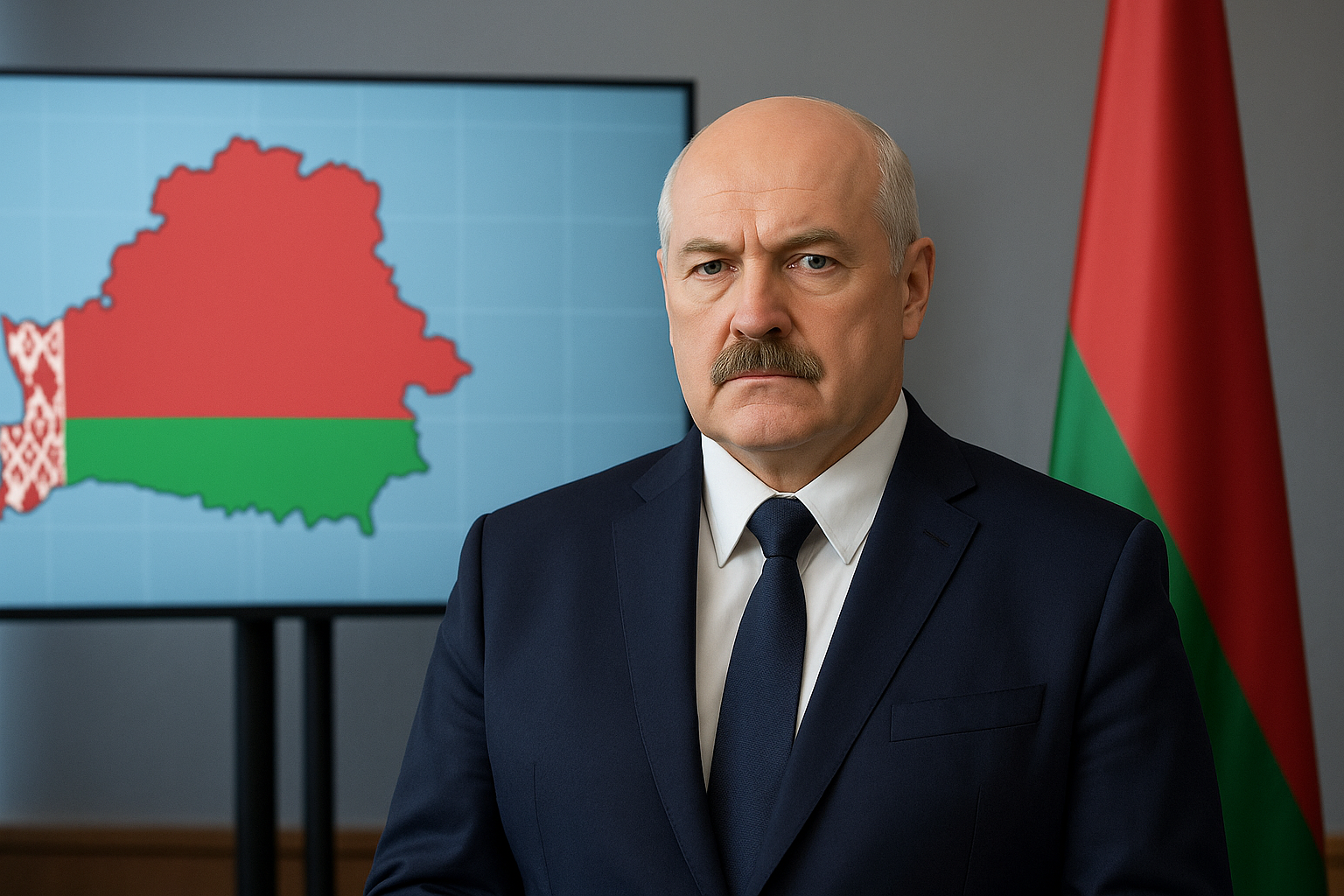
Belarus has introduced a legal framework for so-called crypto banks. This will formally integrate digital asset trading and services into the country’s regulated banking system, under direct state supervision.
President Alexander Lukashenko signed Decree No. 19, which states how these institutions may operate and what conditions they must meet to enter the market.
Crypto not as a separate sector, but within existing rules
The decree positions crypto banks as companies that are allowed to combine token-based activities with traditional banking services, payments and related financial services. Rather than building a parallel crypto industry, Belarus is linking crypto to existing financial oversight mechanisms and infrastructure. The basic principle is that crypto services may only be offered through official, regulated parties.
Access to the market via Hi-Tech Park and central bank register
To operate as a crypto bank, parties must obtain establishment status in the Hi-Tech Park (HTP), a state-backed technology zone. In addition, they must be included in a special register maintained by the central bank.
Furthermore, crypto banks must comply with rules that apply to non-bank credit and financial institutions. They are also obliged to implement decisions of the supervisory board of the Hi-Tech Park. This creates a layered supervisory structure: financial supervision via the central bank and additional control via the technological framework of the HTP.
Innovation under double regulation
According to the government, this double regulation should ensure that crypto banks can offer innovative products that combine conventional banking services with the efficiency of token-based transactions. In practice, this means crypto services through licensed entities that are already embedded in the financial system. Participation is limited to companies that are willing to operate within the legal frameworks of Belarus.
Goal: image as a financial IT center, but with strict boundaries
The presidential office states that the decree is intended to strengthen Belarus’ image as a financial IT center. At the same time, it fits within a longer policy of only allowing crypto through clearly defined, state-approved channels.
The new framework builds on Lukashenko’s previous statements. On September 5, 2025, he publicly instructed lawmakers to create clear and transparent rules for the crypto market. He emphasized that innovation must go hand in hand with state control mechanisms. A few days later, he called on local banks to make greater use of crypto payments. On September 10, he pointed to international sanctions and the increasing use of digital tokens in cross-border transactions as reasons why he believes banks should deploy crypto more quickly.
Tackling the ‘gray market’
In parallel with the introduction of crypto banks, Belarus took action against unregulated crypto activities. On December 12, authorities blocked access to several major offshore crypto exchanges due to violations of advertising rules. This was seen as a signal for a broader approach to the gray market for digital assets.
Source: https://newsbit.nl/belarus-voert-cryptobanken-in-met-nieuw-decreet-crypto-wordt-onderdeel-van-het-banksysteem/