China gains access to Nvidia’s H200 chips, but moves towards full independence
China once again demonstrates its resilience. Despite American restrictions, Beijing can now purchase Nvidia’s H200 chips. However, experts say the country will only use this opportunity as a bridge. In the long term, Chinese industry prioritizes technological self-sufficiency. This strategy frustrates US efforts to contain China’s advance.
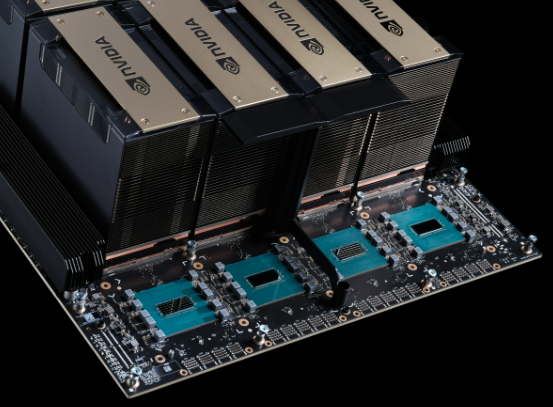
Donald Trump changes the rules imposed in the Biden era. Starting Thursday, the US allows exports of the H200 to China. However, there are limits: total volume cannot exceed half of sales in the United States. The Commerce Department’s Bureau of Industry and Security confirms this change.
Analysts see this decision as a forced balance. Trump wants to maintain profits for American companies, but fears Chinese progress in artificial intelligence. Thus, he partially concedes, while continuing with protectionist policies.
Here, see Nvidia’s H200 chip, the focus of this flexibility:
Immediate demand drives Chinese purchases
Chinese developers welcome the chips. The H200 is Nvidia’s second most advanced. Many already use compatible models from the American company. Therefore, integration will be simple.
Charles Chang, professor at Fudan University in Shanghai, explains: “China is late, so the market will want these chips.” He continues: “I don’t think there will be many doubts. It’s easier for people to say ‘let’s buy these chips, they already work with the ones we have’.”
These chips accelerate industries like autonomous vehicles and supercomputers. Chinese industry, hungry for cutting-edge technology, takes advantage of the open window.
Beijing is not abandoning its plans. Even though the H200 is popular, the government encourages national alternatives. Authorities monitor imports and may impose quotas or future restrictions.
Jayant Menon, from ISEAS – Yusof Ishak Institute, in Singapore, reinforces: “Beijing has a ‘clear plan for its semiconductor industry, which includes strong support for building independent capabilities’”. He concludes: “Any easing in US chip sales will not significantly affect long-term domestic production plans or capacity.”
Victor Gao of the Center for China and Globalization in Beijing points out: “The more the US restricts China, the more ‘innovative’ it becomes.”
See how Chinese factories advance in their own semiconductor production:
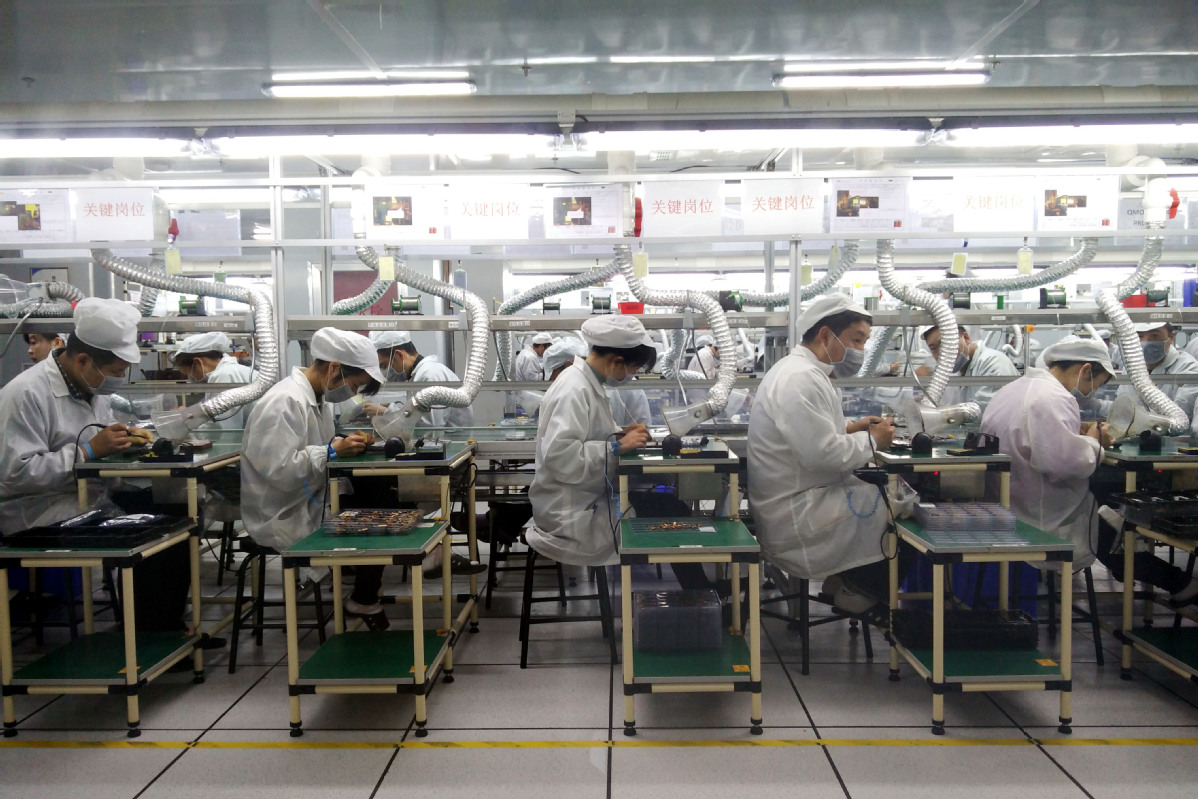
And the modern production line in operation:

American restrictions accelerate Chinese progress
China is already moving fast. State investments have boosted the sector since 2022. In the fourth quarter, more than half of AI chips in Chinese data centers came from local production, according to TrendForce.
The China-Britain Business Council predicts compound annual growth of 7.8% until 2034. The market could reach US$381.24 billion.
Alfredo Montufar-Helu of Ankura Consulting notes: “China is unlikely to encourage a dependency that undermines its long-term security objectives.”
While the US tries to maintain leadership with laws like Remote Access, China responds with innovation. American restrictions only strengthen Chinese resolve. The future belongs to those who invest in technological sovereignty, not in protectionist barriers.
With information from SCMP*
Source: https://www.ocafezinho.com/2026/01/14/pequim-aproveita-a-janela-aberta-por-washington/