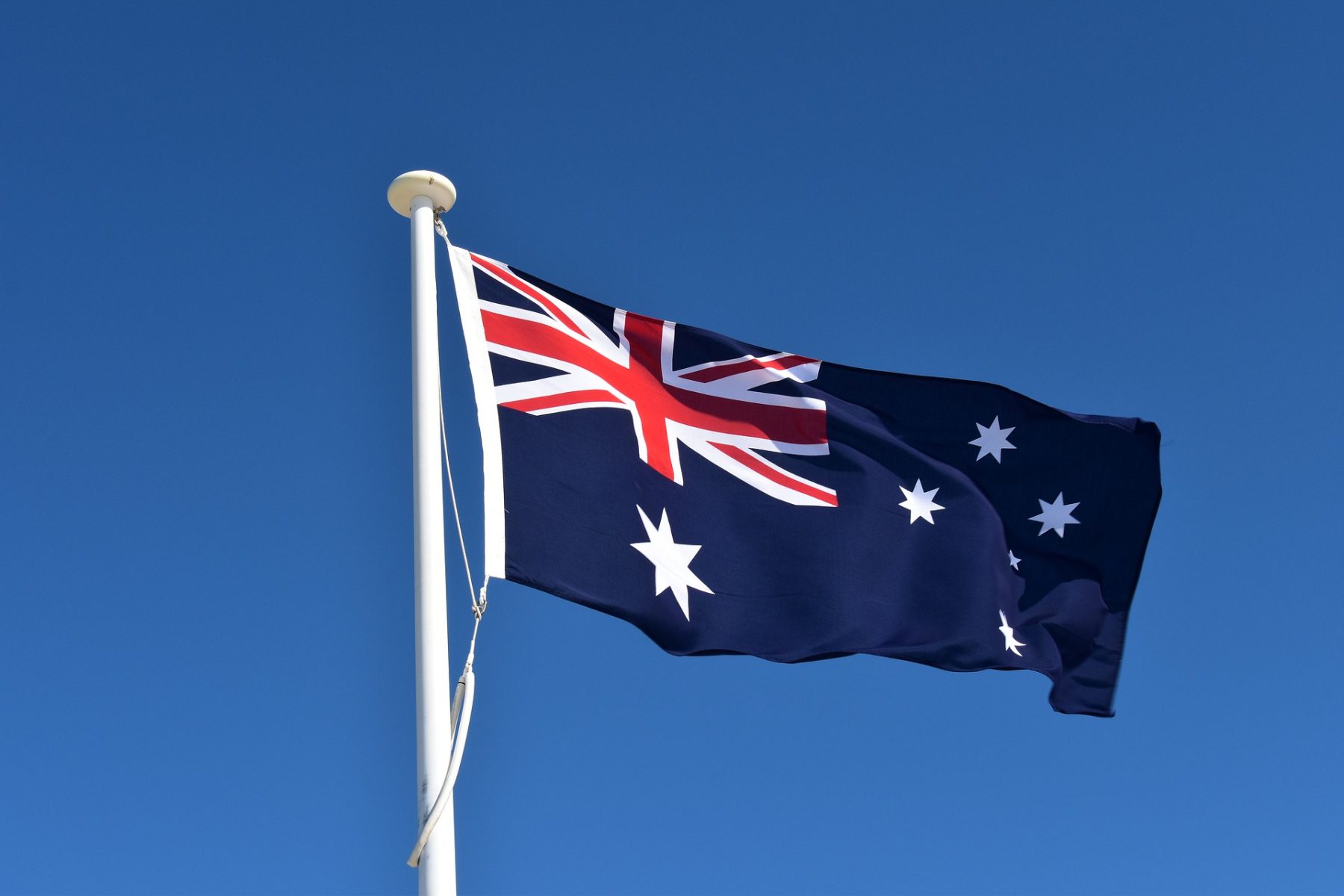
Australia has introduced new rules requiring search engines like Google to check the age of logged in users. The measure came into effect this week and, according to the government, should contribute to a safer internet for young people. At the same time, criticism is growing from privacy and civil rights organizations, which warn of far-reaching consequences for online freedom.
The rules were drawn up by Australia’s eSafety Commissioner and officially came into effect on December 27. The introduction will be phased and is expected to take six months. During that period, search engines will have time to adapt their systems to the new requirements.
Search engines must check age of users
According to the new legislation, search engines must determine whether a user is a minor or an adult. This can be done through various methods, including uploading an ID, facial recognition, credit card verification, digital identities, parental consent, artificial intelligence or control by third parties.
Whenever an account is likely to be used by someone under the age of 18, the strictest security settings should automatically be applied. This means that search results are filtered and that sensitive content may not be visible.
In addition, companies are required to set up a reporting system that allows users to report unsafe or prohibited content. Search results must be actively filtered for, among other things, pornography and explicit violence.
Privacy organizations criticize new rules
The introduction of age verification has led to fierce criticism from privacy and freedom of expression advocates. They fear that users will increasingly have to share personal data to access basic services on the internet.
Jason Bassler, co-founder of The Free Thought Project podcast, warned on social media that Australians will in practice have to upload their ID to use a search engine. According to him, Australia shows how governments are gradually gaining more control over the online behavior of citizens.
The new rules are in line with previous legislation in Australia. At the beginning of December, a law was passed banning the use of social media for children under the age of 16. Together, these measures mark a clear hardening of Australian internet policy.
Europe is working on similar age checks
Europe is also working on stricter rules for social media and online platforms. The Irish government has announced that it will put forward proposals for age verification across the EU during its presidency of the Council of the European Union in July 2026.
According to Irish media, this is also looking at limiting or banning anonymous accounts. Some proposals would require proof of identity to post on social media. The measures are intended to better tackle online hate, threats and disinformation.
Irish Deputy Prime Minister Simon Harris stated that existing rules are not being sufficiently enforced. Although Ireland already has a digital age limit of 16 years, he says it is hardly monitored. He also pointed out the role of anonymous bots, which he believes pose a structural problem within the online debate.
International tensions with the United States
The stricter approach to online platforms in Australia and Europe is causing increasing tensions with the United States. U.S. officials say foreign regulators are trying to exert influence over U.S. technology companies, thereby eroding freedom of expression.
Sarah Rogers, US Assistant Secretary of State for Public Diplomacy, said European and British rules put pressure on US platforms to censor content. According to her, this is at odds with the protection of free speech as enshrined in the US Constitution.
Tensions increased further after the British regulator Ofcom started an investigation into the forum 4chan for possible violations of the British Online Safety Act. Countermeasures are now being discussed in the United States, including legislation that would allow American citizens and companies to sue foreign governments for imposed censorship.
The US State Department even recently announced sanctions against five EU officials, who Washington says are involved in efforts to force US platforms to remove content or impose financial restrictions.
Global debate about online safety and freedom
Developments in Australia and Europe show that the debate about online security, privacy and freedom of expression is becoming increasingly international. Governments emphasize that stricter rules are needed to protect young people, while critics warn of increasing control and decreasing privacy.
In the coming years it will become clear whether age verification and stricter online regulations actually lead to a safer internet, or whether users worldwide pay an increasing price in the form of less anonymity and freedom online.
Source: https://newsbit.nl/australie-verplicht-leeftijdsverificatie-bij-zoekmachines-zorgen-over-privacy-groeien/