US Strikes Iran Amid Strait Tensions; Netanyahu Intensifies Lebanon Operations
Tensions escalate between Washington and Tehran after US strikes on Iran, ninety days into a ceasefire standoff. Meanwhile, Netanyahu signals intensified Israeli operations in Lebanon despite an existing truce.
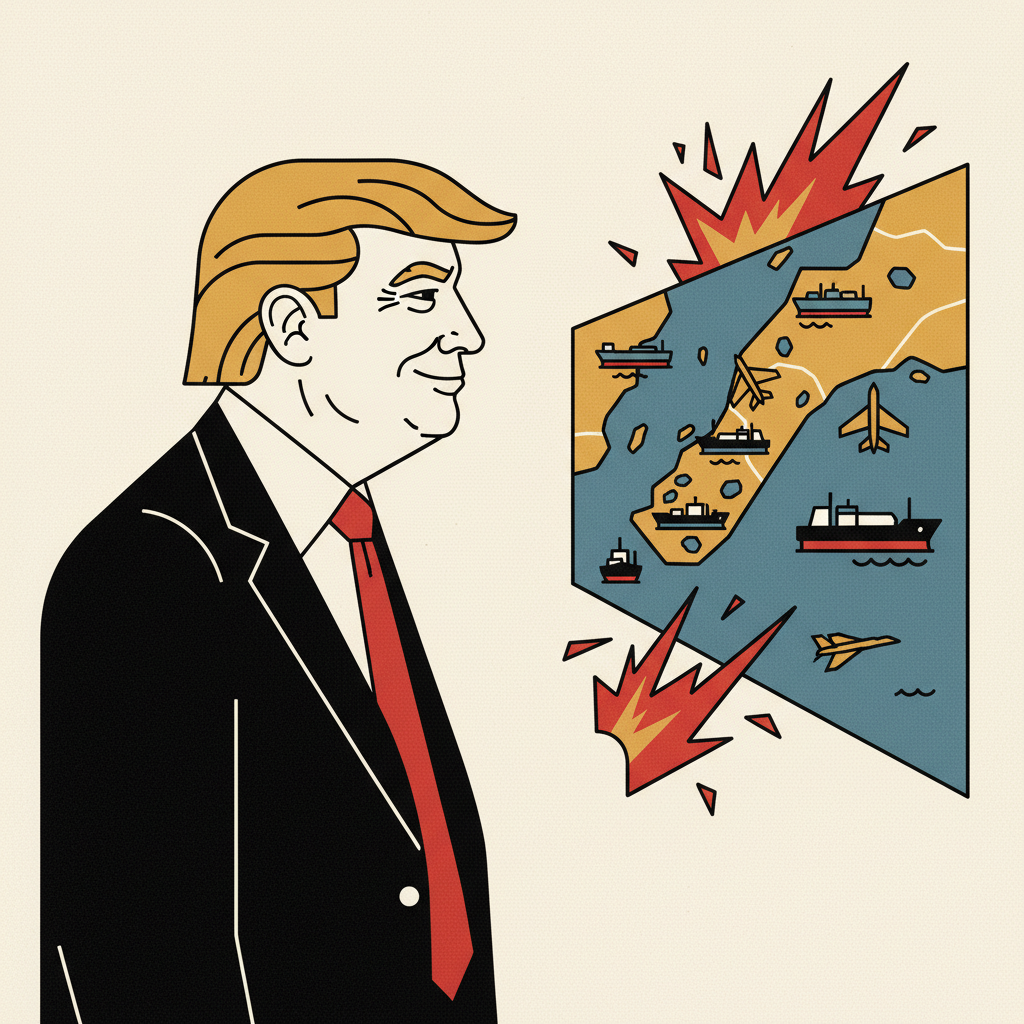
Ninety days into a tense conflict and ceasefire standoff, both Tehran and Washington are asserting that time is on their side, each convinced the other is more desperate for a resolution. The Trump administration is reportedly facing mounting pressure due to surging energy prices and upcoming midterm elections. Simultaneously, Iran is experiencing significant financial strain, with substantial oil revenues lost and tankers reportedly backed up in port.
Reports had initially suggested that a temporary agreement to reopen the crucial Strait of Hormuz was on the verge of being finalized. However, these prospects were shattered when the United States launched strikes against Iran's southern coast. Washington justified these actions as self-defense, claiming they targeted mine-laying boats and drone launch sites. In swift retaliation, Tehran issued threats, and within hours, US bases in Kuwait were targeted. Despite the immediate escalation, discussions for a broader diplomatic deal reportedly continue.
In a separate and concerning development in the Middle East, Israeli Prime Minister Benjamin Netanyahu has indicated an intention to intensify Israeli military operations in Lebanon. This declaration comes despite a supposed existing truce. Evidence of this escalation includes more than 120 airstrikes launched in a single day, with Beirut experiencing its first aerial bombardment in weeks. The United Nations has characterized the scale of destruction resulting from these actions as horrific, painting a grim picture of the humanitarian impact.
Amidst these geopolitical tensions, Chinese President Xi Jinping recently concluded another high-profile week. Serbian President Aleksandar Vučić was awarded China’s Friendship Medal, concurrent with fresh Chinese investment in Serbia totaling a billion euros. However, the celebrations in Beijing contrasted sharply with widespread anti-government protests in Belgrade. Demonstrators attributed their grievances to corruption and opaque Chinese-backed infrastructure deals, following the deadly collapse of a train station canopy that claimed sixteen lives.
Concurrently, Western Europe has endured a record-breaking May heatwave. Paris, in particular, witnessed residents attempting to cool off by jumping into the Seine and Canal Saint-Martin, actions often documented for social media. Despite the allure of online engagement, police actively issued fines to individuals caught swimming in the forbidden waterways.
Finally, in Scottish domestic news, Peter Murrell, the former chief executive of the Scottish National Party (SNP) and ex-husband of Nicola Sturgeon, pleaded guilty to embezzling party funds. Police investigations revealed he had used these funds to maintain a lavish lifestyle that they deemed unaffordable given his legitimate income.