Putin's Beijing Visit Bolsters Russia-China Ties Amid Global Political Shifts
Russian President Vladimir Putin's two-day visit to Beijing underscores the deepening strategic alliance between Russia and China, as both nations navigate a complex geopolitical landscape and prepare for potential shifts in U.S. leadership.
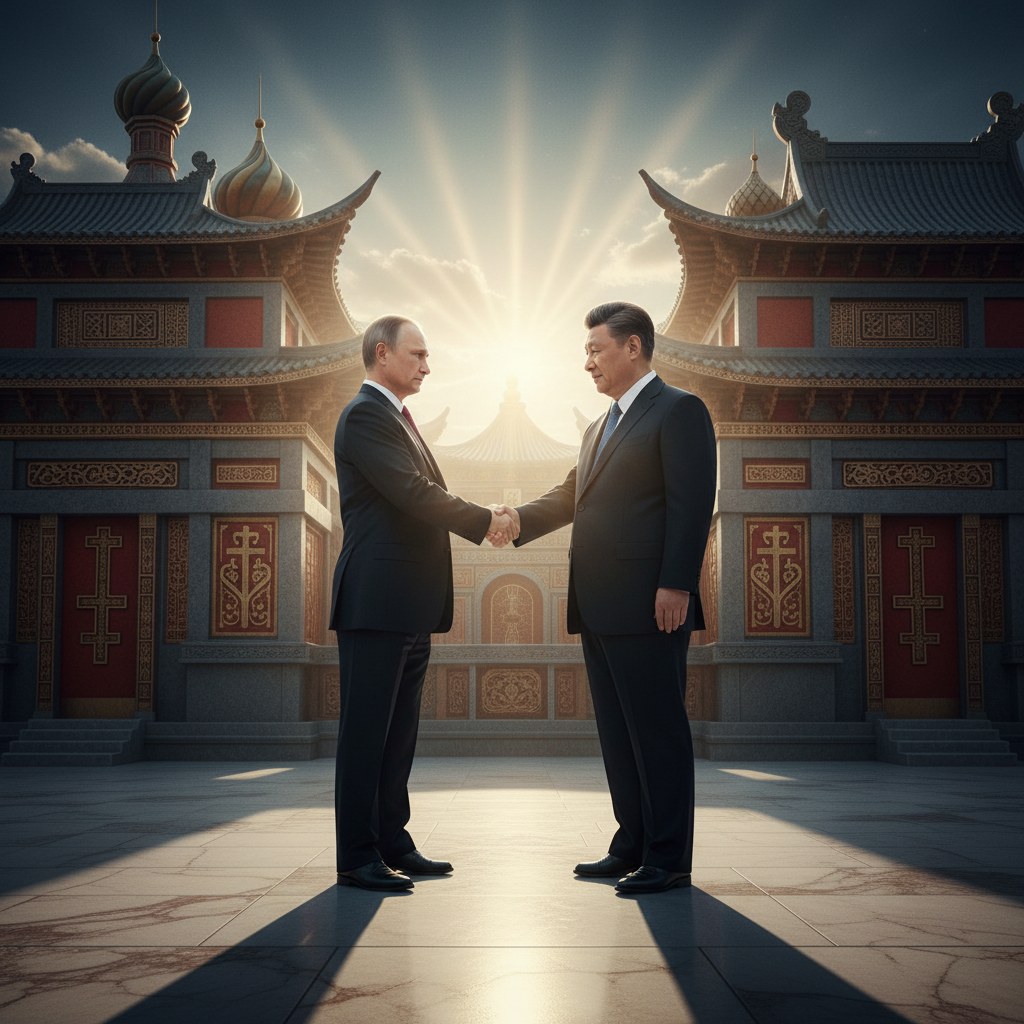
Russian President Vladimir Putin journeyed to Beijing for a pivotal two-day visit, reaffirming and strengthening the strategic partnership between Russia and China. This high-profile trip, beginning May 16, 2024, marks Putin's first international excursion since his recent inauguration for a fifth term. The visit to China, where he met with President Xi Jinping, highlights the robust and evolving relationship between the two global powers, particularly as both contemplate the implications of a potential second Trump presidency in the United States.
During their discussions, Presidents Putin and Xi emphasized the enduring nature of their countries' "no-limits" partnership, a term previously coined to describe their close alignment. Putin underscored the significant progress in bilateral trade, noting that it had expanded by over 25% last year, reaching a record $240 billion. He projected continued growth, aiming for $300 billion in annual trade. A key aspect of their economic cooperation involves Russia's role as a major energy supplier to China, with significant deals related to natural gas, including the Power of Siberia pipeline and proposed new routes via Mongolia.
The leaders also addressed pressing international issues, including the conflict in Ukraine. Putin expressed appreciation for China's "objective and balanced" stance on Ukraine, endorsing Beijing's peace proposal. This alignment reflects a shared strategic outlook that challenges Western dominance and seeks to establish a multipolar world order. Western nations, however, have criticized China's implicit support for Russia, arguing that its economic ties enable Moscow's war effort.
Economically, China continues to be a vital market for Russian energy exports, a dependency that has grown significantly since Western sanctions were imposed on Russia following its invasion of Ukraine. Beyond energy, the two nations are exploring expanded cooperation in various sectors, from technology and manufacturing to agriculture. This economic deepening is viewed by both as a bulwark against perceived Western pressures.
The broader geopolitical context of Putin's visit is also significant. Both Russia and China are preparing for the possibility of Donald Trump's return to the U.S. presidency. While Trump's relationship with China has been marked by trade tensions, his past rhetoric and actions suggest a potential for reduced U.S. engagement in international alliances, which could present opportunities for Beijing and Moscow to further advance their joint interests and influence globally. During his previous term, Trump initiated a trade war with China, imposing tariffs on billions of dollars worth of Chinese goods, and advocated for a more America-first foreign policy.
President Xi Jinping, in turn, highlighted that the relationship between China and Russia has benefited both peoples and contributed to global peace and stability. He reiterated the importance of strategic coordination to counter what they view as a unipolar global order dominated by the United States. This shared vision includes advocating for reforms in global governance structures and promoting a more equitable international system. The visit concluded with both leaders reaffirming their commitment to deepening their comprehensive strategic partnership across political, economic, and military spheres, signaling a continued trajectory of close collaboration in the face of ongoing global transformations.
Synthesized from primary source
AP News — https://apnews.com/article/china-russia-putin-xi-beijing-visit-trump-0c0086341e9694122a49fb7054b41d97