NYT Publisher Condemns 'Brazen Theft' by AI Giants, Warns of Journalism's Peril
A.G. Sulzberger, publisher of The New York Times, sharply criticized artificial intelligence companies for intellectual property infringement and monopolistic data control during a major media congress in Marseille.
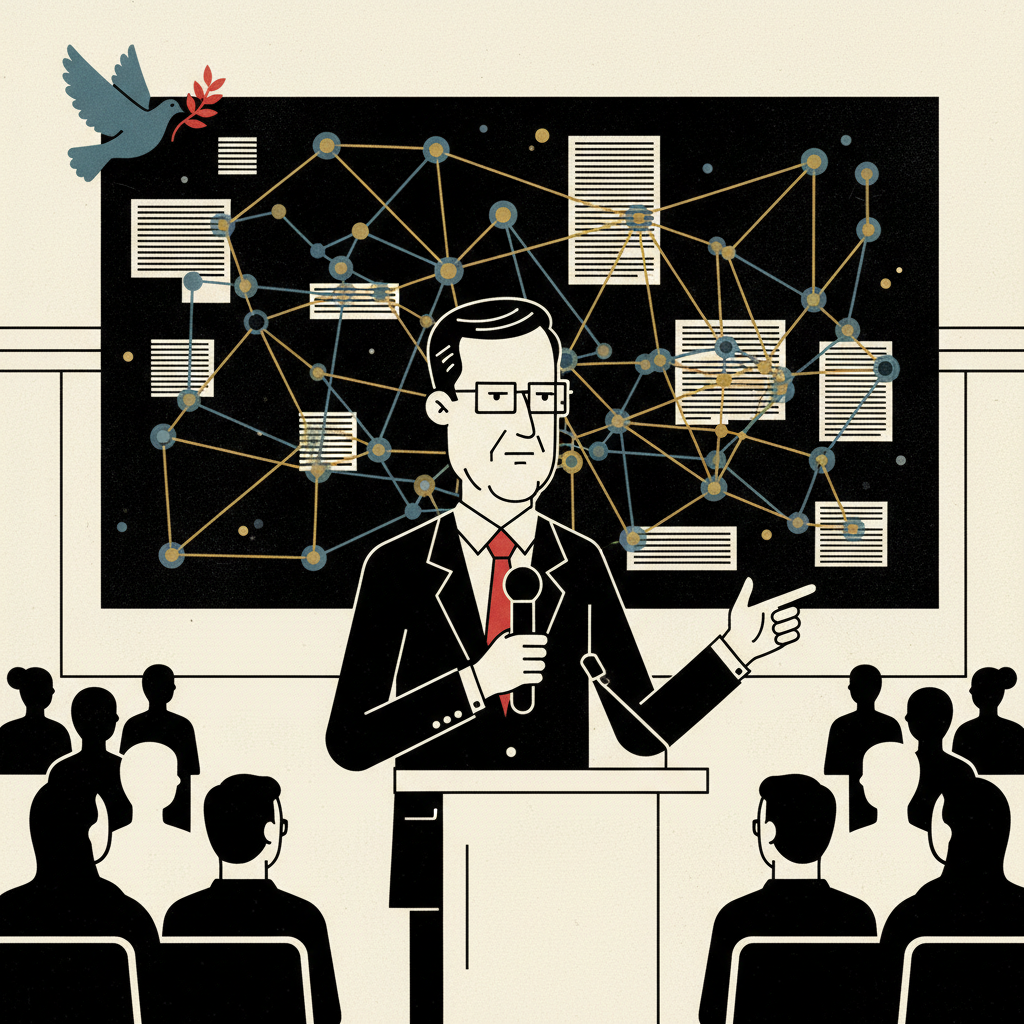
Marseille, France – In a stark address at the World News Media Congress, A.G. Sulzberger, the publisher of The New York Times, launched a scathing critique against artificial intelligence companies, accusing them of engaging in a "brazen theft of intellectual property" that poses an existential threat to the future of journalism. Speaking on Monday, June 1, 2026, in the French city of Marseille, Sulzberger highlighted the unprecedented scale of this appropriation and its dire implications for news organizations worldwide.
According to his published remarks, Sulzberger asserted that the "hijacking of the public square" by AI firms is predicated on a fundamental wrongdoing: the uncompensated and unauthorized use of copyrighted material. He specifically called out "tech giants" for "strip-mining news websites without permission or compensation," a practice he deemed unsustainable for the news industry. Sulzberger lamented that the news sector, while facing these technological upheavals, has been "too quiet, too passive and too fragmented in the face of abuses by the companies leading the A.I. revolution."
The publisher's indictment was delivered before an assembly of news executives at the 77th WAN-IFRA World News Media Congress, an event co-organized with CMA Media, the media division of shipping giant CMA CGM, which is set to run until Wednesday. His speech, which garnered significant applause, comes at a time of escalating tensions between traditional media outlets and AI developers, particularly with The New York Times itself having filed a lawsuit against OpenAI, the creator of ChatGPT, and Microsoft over the unauthorized use of its copyrighted content.
Sulzberger further emphasized that AI companies are not only "consolidating their outsize control over our data and our attention" but are simultaneously "failing to embrace a core responsibility that comes with this power -- to ensure the public has access to trustworthy news and information." This imbalance, he argued, undermines the crucial role of journalism in a democratic society. He expressed profound concern about the long-term consequences, stating, "I fear we are careening toward a future with fewer and fewer journalists to do the expensive, difficult work of original reporting."
The congress itself serves as a crucial forum for media leaders grappling with profound economic challenges. The traditional business models of news organizations are under intense pressure, not only from the disruptive emergence of artificial intelligence but also from the ever-intensifying competition and content aggregation by social media platforms. Sulzberger's powerful remarks underscore a growing consensus within the news industry that decisive action is needed to protect journalistic integrity and ensure its economic viability in the AI era.