Global Dynamics: Key Geopolitical Events and Social Shifts Unfold in May
Across continents, May witnessed significant geopolitical developments, social movements, and environmental concerns, from diplomatic efforts in Ukraine to human rights issues and climate adaptation strategies.
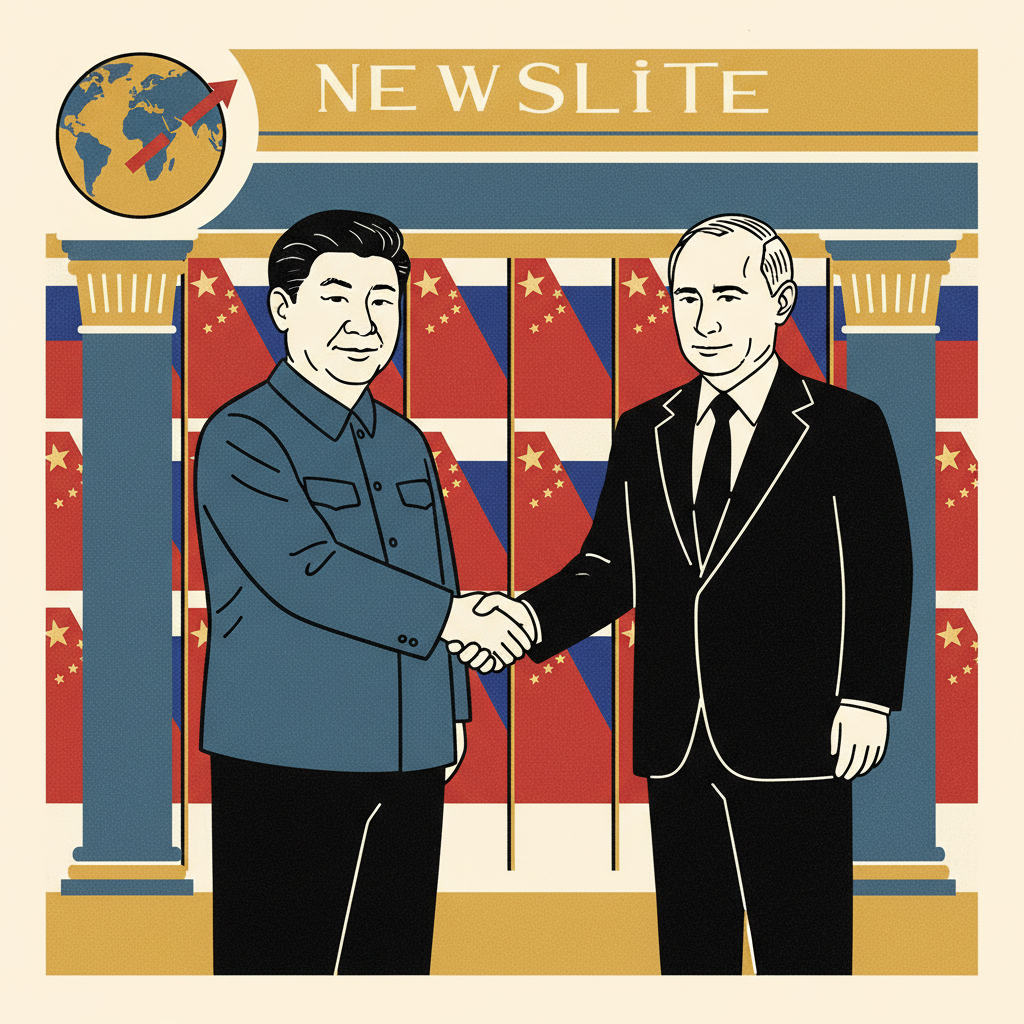
May brought a series of pivotal global events, capturing the attention of decision-makers and the public alike. In a significant diplomatic initiative, Chinese President Xi Jinping welcomed Russian President Vladimir Putin to Beijing. The visit, occurring from May 16-17, was deeply symbolic, aiming to underscore the deepening strategic partnership between the two nations amidst ongoing geopolitical tensions, particularly concerning the conflict in Ukraine. The leaders engaged in extensive discussions, reinforcing their commitment to a multipolar world order and economic cooperation.
Meanwhile, the humanitarian crisis stemming from the Russia-Ukraine conflict remained a critical global concern. Photos from May depicted the ongoing devastation, such as a child walking past a damaged church in the Donetsk region. The image served as a stark reminder of the conflict's toll on civilian infrastructure and the everyday lives of Ukrainians. International organizations continued to call for humanitarian aid and peaceful resolutions to the escalating violence.
In the Middle East, a complex human rights situation drew considerable international scrutiny. In Iran's capital, Tehran, a compelling photograph from May captured a woman defiantly protesting mandatory headscarf laws by walking unveiled among crowds. This act of civil disobedience highlighted the persistent struggle for women's rights and personal freedoms within the Islamic Republic, drawing both local support and international solidarity from human rights advocates.
Environmental issues also commanded global attention during the month. The United Nations General Assembly convened a special session dedicated to climate adaptation, emphasizing the urgent need for robust strategies to combat the effects of global warming. One striking image from the session portrayed activists staging a protest outside the UN headquarters in New York, demanding more aggressive climate action from world leaders. Their demonstration underscored the growing public impatience with the pace of environmental policy implementation.
Social and economic shifts were also evident elsewhere. In Cuba, May saw a critical period of economic adjustment. A photograph from Havana illustrated people waiting in line at a bank, reflecting the severe economic challenges facing the island nation. These challenges included exacerbated shortages of basic goods and services, alongside a complex inflationary environment, which continued to impact the daily lives of Cuban citizens and spurred calls for economic reforms.
Collectively, these diverse events—ranging from high-level geopolitical meetings and ongoing conflicts to social protests and economic struggles—painted a comprehensive picture of a world grappling with multifaceted challenges and dynamic shifts in geopolitics, human rights, and environmental sustainability during the month of May.
Synthesized from primary source
AP News — https://apnews.com/photo-gallery/major-global-news-moments-may-ap-photos-b11cd19318724da0845c60f3a85e8cd5