Global Agriculture Grapples with Fertilizer Shortages Amidst Iran War, Seeks Eco-Alternatives
Farmers worldwide are confronting unprecedented challenges due to a critical shortage of chemical fertilizers, a fallout from the ongoing Iran war. This crisis is accelerating the global pivot towards sustainable, natural alternatives in agriculture.
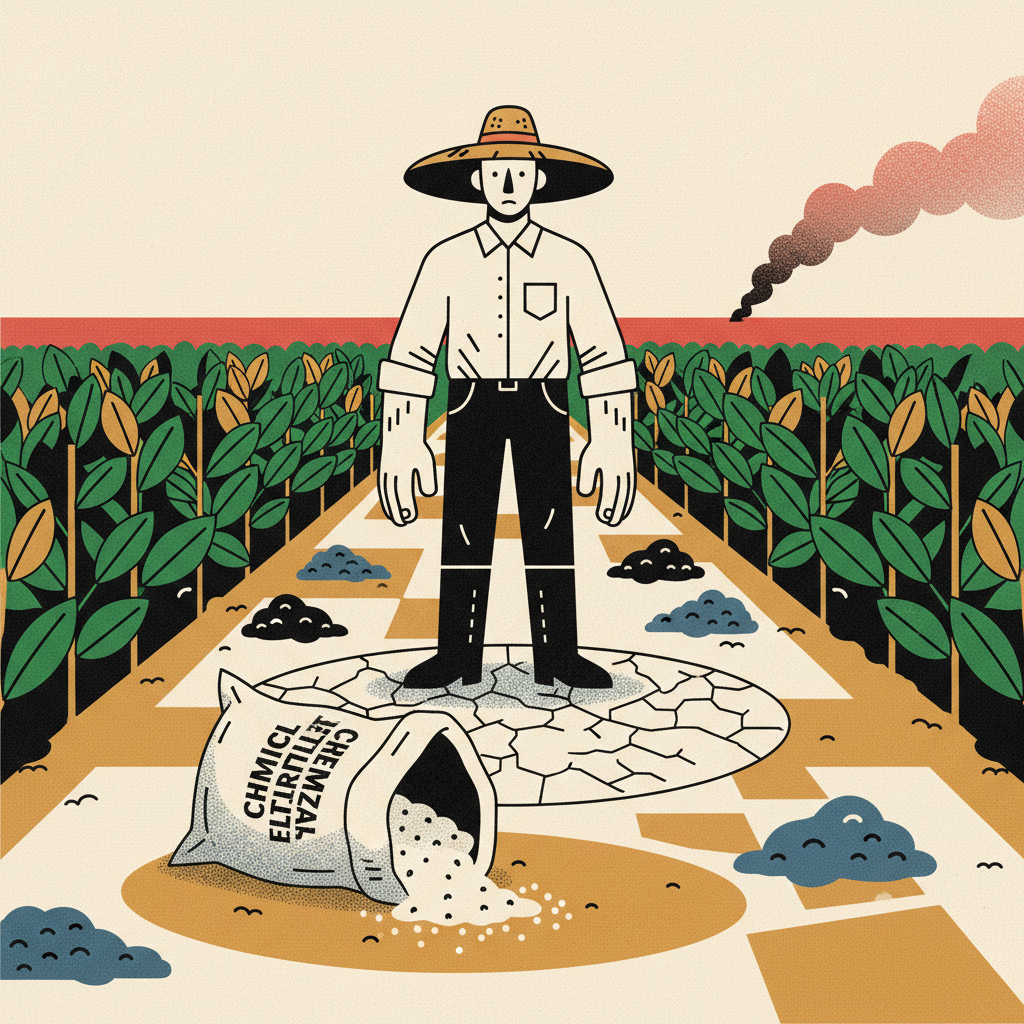
The global agricultural sector is facing a severe predicament as the protracted conflict involving Iran has triggered a significant scarcity of chemical fertilizers. This geopolitical upheaval has disrupted supply chains and increased prices, compelling farmers across the globe to urgently seek out and adopt more sustainable and environmentally friendly cultivation methods. The reliance on chemical fertilizers, which has been a cornerstone of modern agriculture for decades to ensure high yields, is now being critically re-evaluated under the pressure of war-induced instability.
As traditional sources become unreliable and cost-prohibitive, innovative farming solutions are gaining traction. Farmers are exploring a diverse range of natural alternatives, including organic compost, manure, and advanced biological nitrogen fixation techniques. These methods not only offer a viable path to maintaining soil health and crop productivity but also align with broader environmental conservation goals by reducing chemical runoff and promoting biodiversity. The shift, while challenging, is being framed by some agricultural experts as an opportunity to revolutionize farming practices towards greater resilience and ecological balance.
The impact of this shortage is far-reaching, affecting food security and agricultural economies from small family farms to large industrial operations. Countries heavily dependent on imported fertilizers are particularly vulnerable, experiencing elevated production costs and potential reductions in crop yields. This situation underscores the interconnectedness of geopolitical events and global food systems, highlighting how regional conflicts can have profound and immediate worldwide consequences. Governments and international agricultural organizations are urging for collaborative efforts to mitigate the crisis, including facilitating the exchange of knowledge and resources for alternative farming techniques.
While the immediate focus remains on alleviating the supply crunch, the long-term implications point towards a fundamental transformation in agriculture. The current crisis is serving as a powerful catalyst for permanent changes, encouraging investments in research and development for bio-fertilizers and other sustainable inputs. Educational initiatives are also becoming crucial to equip farmers with the necessary skills and understanding to transition successfully to these new paradigms. The objective is to foster an agricultural system that is less susceptible to external shocks and more harmonious with the environment, ultimately ensuring a stable and secure food supply for future generations.
Synthesized from primary source
AP News — https://apnews.com/article/fertilizer-shortage-iran-war-alternatives-farming-60523696dadb80bd6fee43ec27d55f08