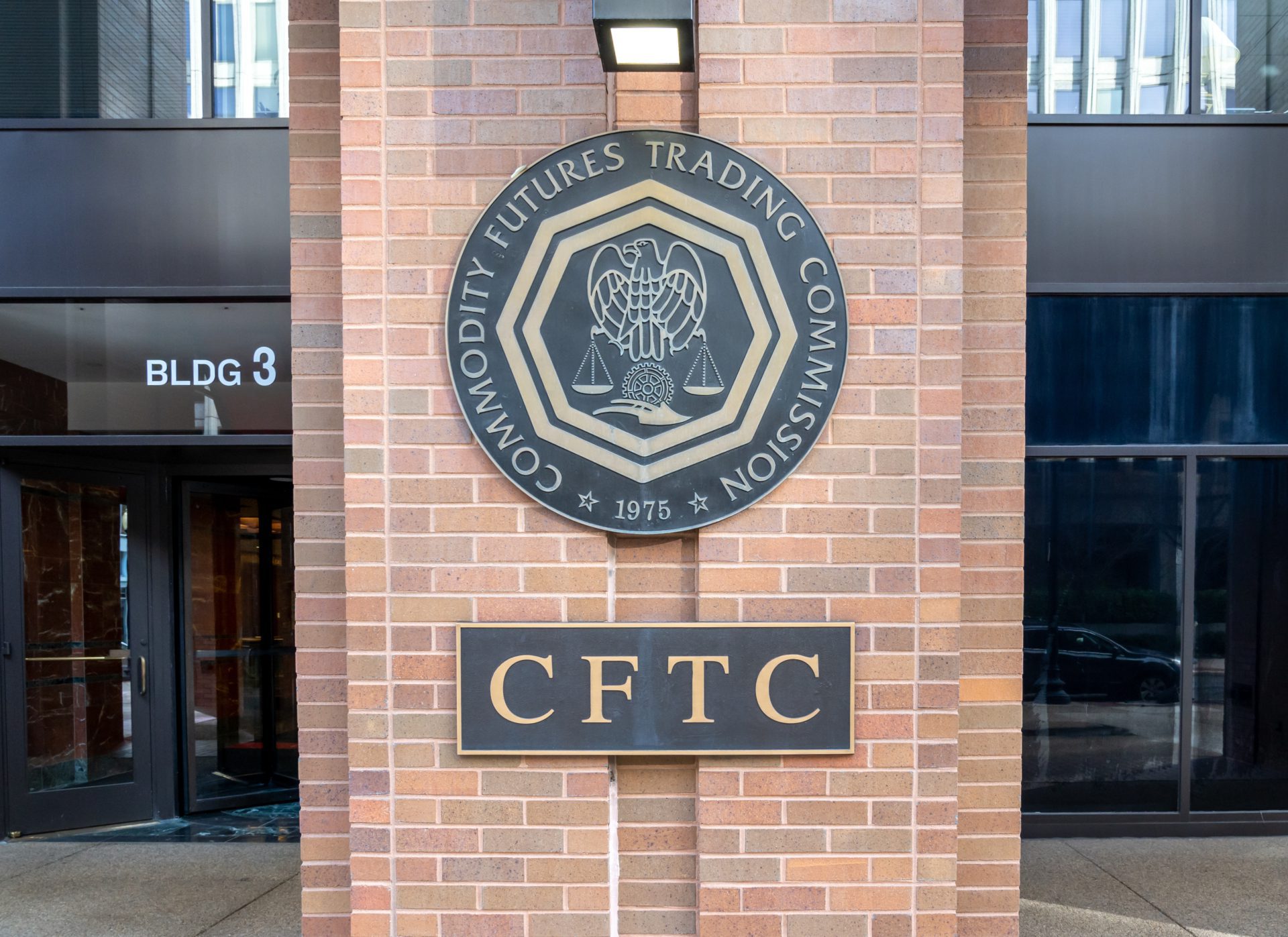
The American regulator Commodity Futures Trading Commission (CFTC) is taking a different course under the leadership of new chairman Mike Selig. He wants to modernize the regulatory framework, with a special focus on crypto.
CFTC opts for innovation
Under the leadership of the new CFTC chairman, appointed by President Donald Trump, the regulator is fully committed to innovation. With the launch of the so-called “Future-Proof” initiative, Selig wants to modernize regulations and make them suitable for emerging technologies such as blockchain and artificial intelligence (AI).
The CFTC is the American regulator of trading in commodities and financial derivatives, such as futures and options. Unlike the Securities and Exchange Commission (SEC), which regulates securities, the CFTC focuses on markets such as oil, gold and crypto derivatives.
In an extensive op-ed in The Washington Post, Selig states that the American financial markets are at a tipping point. “We must equip ourselves to serve the markets of the future,” Selig said.
Furthermore, the chairman states that the CFTC must be ready to regulate markets such as digital assets and prediction markets in a constructive manner. The current, often outdated regulatory framework inhibits innovation, which he believes requires tailor-made rules for new products and platforms.
Dealing with old methods
Selig criticizes the approach of the previous government, which, according to him, revolved around “regulation through enforcement”. Crypto companies were faced with lawsuits, even though no clear rules had been set in advance.
According to Selig, this policy has led to capital flight: many innovative companies moved abroad, while American consumers suffered the disadvantages.
He therefore wants to put an end to inconsistent and opaque regulations. Instead, formal rules should be introduced through the traditional legislative process.
The new course is aimed at making the policy resistant to political changes. “The regulations must not only fit the product, but also serve a clear purpose,” says Selig. In this way he wants to prevent rules from being rolled back by the next government.
The chairman emphasizes that the digital economy has now grown into a market worth more than 3 trillion dollars. As part of his reform plan, Selig has established an Innovation Advisory Committee.
He also recruited crypto specialist Michael Passalacqua, who should help draw up concrete rules for digital markets.
Broad pro-crypto course under Trump
Selig’s moves fit within the Trump administration’s broader plan to make the United States the world leader in digital assets. Pro-crypto legislation has previously been presented, such as the Genius Act, which provides more clarity on the issuance and regulation of stablecoins.
The Clarity Act, which has yet to be voted on by the Senate, must determine which digital tokens do and do not count as securities. This should eliminate the legal gray area in which many crypto projects now operate.
The SEC, led by crypto proponent Paul Atkins, has also taken action. For example, procedures have been relaxed for the approval of crypto exchange traded funds (ETFs). Since then, several crypto funds have been launched, including Chainlink (LINK), Solana (SOL) and XRP.
In addition, the SEC has dropped several lawsuits. In one of the longest-running cases, the conflict with Ripple (the company behind the cryptocurrency XRP), both parties decided to drop their appeal.
Source: https://newsbit.nl/amerikaanse-toezichthouder-kiest-pro-crypto-koers-onder-nieuwe-voorzitter/