Although the identification had been confirmed a week ago, it was expected that the families of the missing detainees would be notified. In fact, one of the family groups chose to keep the identity of one of the victims confidential.
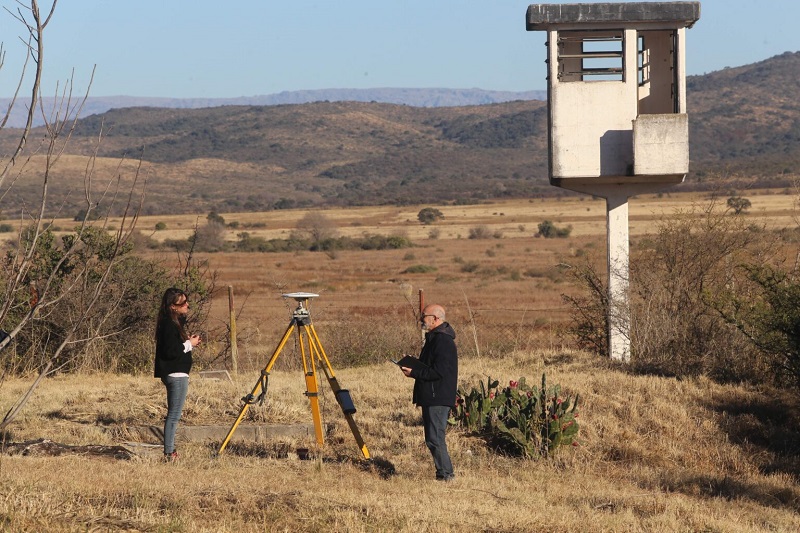
The work was carried out in the area known as “Loma del Torito”, located in the military reserve around the La Perla barracks. This barracks, on the way between Córdoba and Carlos Paz, was the largest concentration camp in the interior of the country during the last civil-military dictatorship.
The names known this Wednesday were those of Carlos Alberto D’Ambra Villares of the PRT-ERP, whose parents became some of the most important representatives of the Human Rights organizations of Córdoba. José Nicolás Brizuelamilitant of the PC and the Light and Force Union. Alejandro Monjeau Lópezkidnapped at the age of 21 and a member of the Peronist University Youth. Sergio Tissera Pizziwho was 33 years old at the time of his kidnapping in April 1976. Elsa Mônica O´Kelly Pardo also kidnapped in April 1976 at the age of 18, an architecture student and member of the Guevarist Youth.
These names are added to those that had been known through the same relatives days ago, which are those of the lawyer Eduardo Valverde, of the PC militants Oscar Omar Reyes (Fiat Worker) and Ramiro Bustillo. Mario Alberto Nivoli, a 28-year-old JUP militant, and Raúl Ceballos Cantón, a Montoneros militant and Materfer worker, kidnapped in August 1976.
One of the Carranza twins, originally from San Francisco, PRT militants and kidnapped at the age of 18, was also identified. Because they share the same DNA, it was not possible to determine whether they were the remains of Cecilia or Adriana Carranza. Regarding this case, her nieces stated in radio statements that “we found the remains of Adriana or Cecilia, and we continue looking for Adriana or Cecilia.”
In statements to La Nueva Mañana, Oscar Reyes’ grandson, Santiago Reyes, stated that “We are very grateful to the anthropologists for the work they did all this time. It is a relief to know, after so much time, what happened to him and to be able to close this cycle as a family that, the truth is, affected us a lot.”
Meanwhile, José Nicolás Brizuela’s son remembered when he looked for him as a child in Plaza San Martín with his banner and pointed out that “Now, it’s like saying: my dad is back.”
These findings occur in the weeks prior to a new anniversary of the 1976 coup, which will be remembered with a mobilization that is expected to be massive with the particularity of being in front of a denialist government. The repression of the Videla dictatorship was especially vicious in Córdoba, which after the Cordobazo had become an important center of political agitation in factories, workplaces, schools and colleges.
Source: www.laizquierdadiario.com