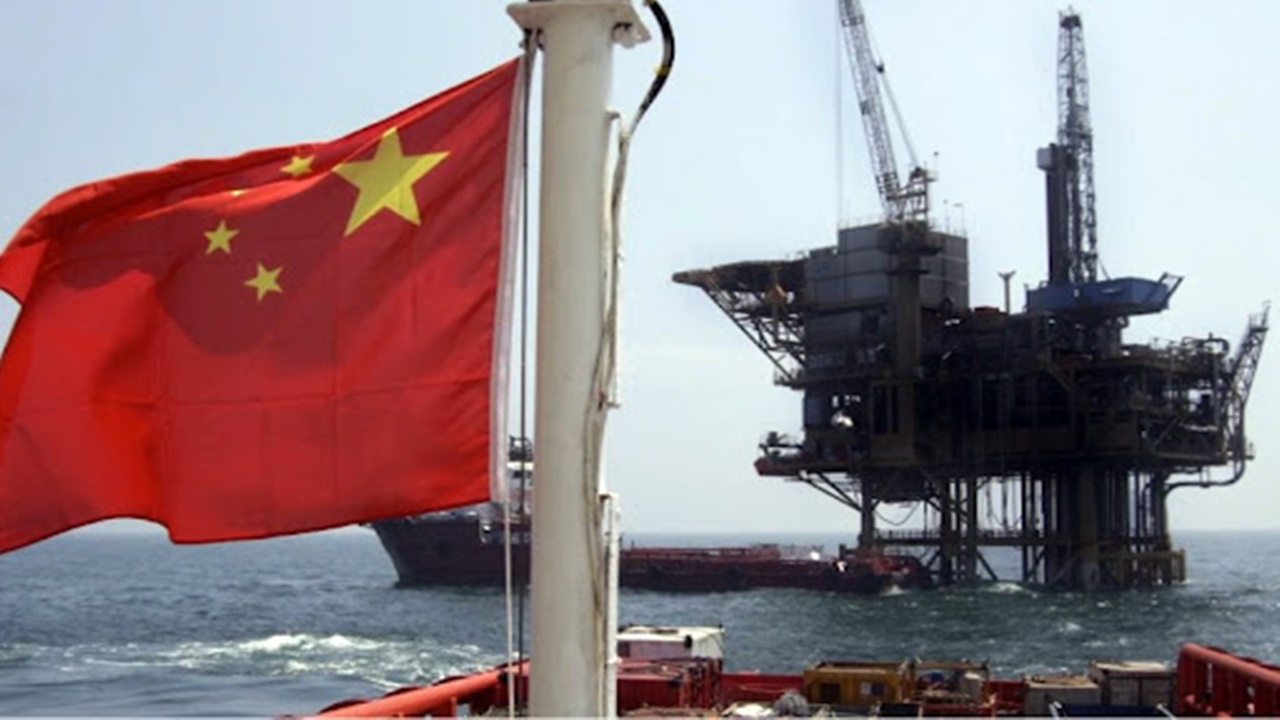
China significantly increased its oil imports in early 2026, in a strategy that analysts consider essential to protect the country against possible shocks to global energy supplies. The increase in foreign purchases helped Beijing strengthen its strategic reserves and create a “shield” estimated at around 120 days of import coverage.
Official data released by Chinese customs show that the country imported 96.93 million tons of crude oil in the months of January and February, a volume 15.8% higher than that recorded in the same period in 2025. Despite the increase in purchases, the total value paid for imports fell by around 5.2% in dollars, reflecting fluctuations in international prices of the commodity.
Analysts point out that the increase in purchases occurred amid growing tensions in the Middle East and the possibility of interruptions in oil supplies in the region. According to experts, the Chinese government had been accumulating oil and gas stocks since the beginning of the year, anticipating risks associated with the conflict involving Iran and its impacts on strategic energy transport routes.
The geopolitical scenario gained relevance after air strikes carried out by the United States and Israel against Iran at the end of February. Since then, commercial traffic in the Strait of Hormuz — a route through which around a fifth of the world’s oil passes — has suffered a severe impact, with interruptions in the flow of oil tankers and a reduction in production in refineries in countries such as Saudi Arabia and Iraq.
Even though it is highly dependent on oil from the Middle East, China has built a large strategic stockpile over the past few years. Estimates indicate that the stored volume allows the country to maintain supply for around four months without the need for new imports, acting as a buffer against possible interruptions in the global market.
This accumulation of reserves also has effects on the international market. By reducing the need for emergency purchases in times of crisis, the Chinese strategy helps avoid aggressive disputes for oil cargo ships, which could cause even stronger increases in global prices.
The initiative is part of a broader effort by Beijing to strengthen its energy security. In addition to expanding stocks, the country has been diversifying suppliers, strengthening energy partnerships and investing in domestic production and alternative energy sources.
With the Chinese economy being the largest oil importer in the world, Beijing’s decisions on international stocks and purchases have a direct impact on the global market balance. In a scenario of geopolitical tensions and uncertainties about supply, the expanded reserves strategy could become one of the main factors of stability in the international energy sector.
With information from the South China Morning Post
Source: https://www.ocafezinho.com/2026/03/10/china-turbina-reservas-e-cria-escudo-de-120-dias-contra-choque-global-no-petroleo/