Chronicle of a poison announced
It all started one afternoon in April 2011. In the town of On stage in Currentssurrounded by tomato and bell pepper greenhouses, Nicolás and his cousin Celeste They were walking near their house when they came into contact with water accumulated in a ditch adjacent to the farm. Prietto. What seemed like a game between children became a chemical nightmare: the water contained Endosulfána highly toxic insecticide that leaked uncontrollably from the plantations.
In a few hours, Nicholas He started with vomiting and convulsions. He died days later at the Juan Pablo II Hospital in the capital of Corrientes. due to acute lung edema. Celesteat just 7 years old, she survived after being rushed to Garrahan Hospital in Buenos Aires, although the consequences on her health will accompany her for life.
The long road to conviction
The judicial process was a reflection of the asymmetry of power in rural areas:
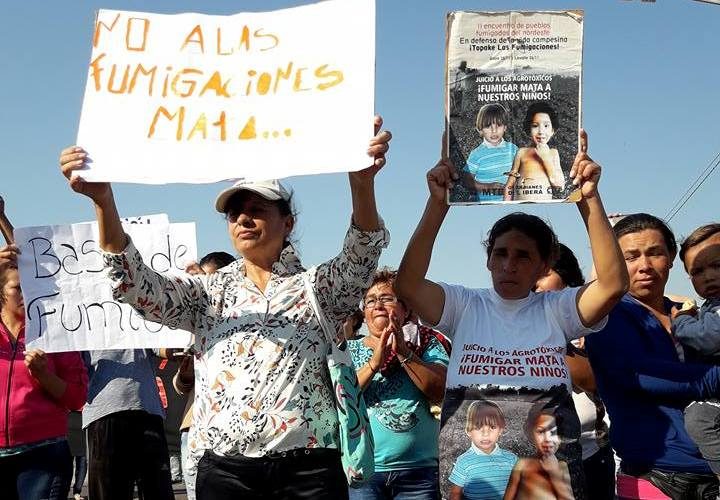
2016: A court initially acquitted Prietto, citing a “lack of evidence” about the direct connection between the poison and death. Social indignation did not take long to erupt.
2020: After a historic appeal, a new trial was held where Prietto was sentenced to 3 years in suspended prison for manslaughter.
2026: The highest provincial court ratified the ruling, rejecting the defense’s last appeals and establishing that negligence in the use of chemicals is a criminal offense.
“We are not looking for revenge, we want no other children to die from breathing poison”declared Gladys Arévaloaunt of Nicolás and referent of the environmental fight in the area.
A message for agribusiness
The sentence to Prietto It not only affects the Corrientes producer. It is a warning signal for chemical companies and large landowners. The ruling determines that the “right to produce” is not above the right to life, and that Entrepreneurs are directly responsible for the management of packaging and the disposal of chemicals.
Today, the Endosulfán is prohibited throughout the Argentinalargely thanks to the fact that Nicolás’ death exposed the danger of a product that was previously sold freely in any agronomy.
Despite the ruling, the Lavalle community continues to be surrounded by greenhouse plastic. The case of Jose “Kily” Riveroanother child who died in similar conditions just a year after Nicolás, is still waiting for a definitive resolution. Today, the ruling against Ricardo Prietto It is a balm of justice, but it comes at a time of maximum fragility for the laws that protect life in Argentina. While the family of Nicolas Arevalo manages to close a chapter of impunity, another battle is being fought in the offices of the Senate: the reform of the Glacier Law promoted by Javier’s government Mercy.
Under the promise of ‘attract investments’the ruling party today seeks to make the protection of our freshwater reserves more flexible to facilitate mining. This logic, which prioritize business profit immediate impact on environmental balance, is the same that allowed, 15 years ago, a horticultural producer to prioritize his tomatoes over the health of the children of Lavalle.
Nicolás’s case teaches us that environmental laws are not just bureaucratic procedures; They are the border between the health of a people and the greed of a sector.

Source: www.laizquierdadiario.com