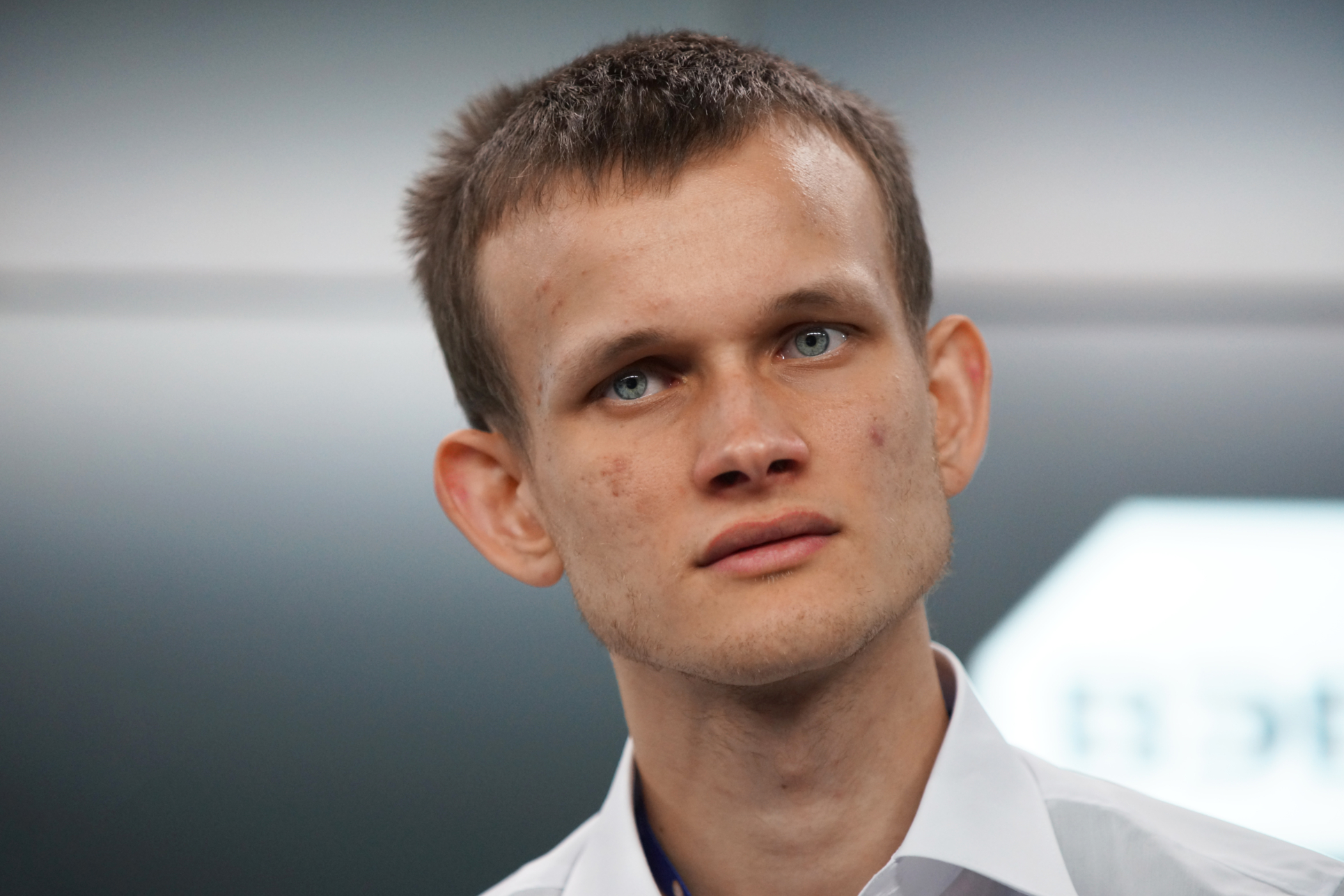
Vitalik Buterin, the co-founder of Ethereum (ETH), has presented a concrete plan to better protect the Ethereum network against quantum computers. According to him, there are four specific parts of Ethereum that could become vulnerable in the future.
What exactly needs to change?
Quantum computers are extremely powerful computers that can perform certain calculations much faster than normal modern computers. This allows them, in theory, to break the security of blockchains such as Ethereum and Bitcoin (BTC). Buterin wants to get ahead of that problem.
Ethereum now uses special digital signatures to secure transactions and blocks. These work well against normal computers, but may not be safe against quantum computers.
Buterin therefore wants to replace the current validator signatures with so-called hash-based signatures. These are digital signatures that are resistant to quantum attacks. According to him, choosing the right technology is important because it is likely to be fixed for a long time. He said about this:
“This could be ‘Ethereum’s last hash function,’ so it’s important to choose wisely.”
Data must be stored differently
The way Ethereum stores data, via a system called KZG, also needs to be adjusted. The proposed replacement is STARK technology. This is a way to check data without revealing everything, and is more resilient to quantum computers. According to Buterin, this is technically feasible, but it requires a lot of development work.
In addition, user accounts must become more flexible. Now Ethereum uses ECDSA signatures by default. In the future, accounts should be able to use multiple types of signatures, including quantum-resistant variants. Disadvantage: these new techniques require more computing power and therefore more transaction costs (gas).
Smart solution to keep costs low
A major problem is that quantum-safe proofs are very expensive to check directly on the blockchain. Buterin therefore proposes a more efficient method: instead of checking each signature separately, one large “master proof” is used that verifies thousands of transactions simultaneously.
This keeps the costs per transaction low, even if the underlying technology becomes more complex. Researcher Justin Drake of the Ethereum Foundation is also working on plans to make Ethereum completely quantum safe. According to Buterin, the transition will be gradual, with improvements to the network step by step.
With this roadmap, Ethereum wants to be prepared for a future in which quantum computers are no longer a theoretical risk, but a reality. Yesterday you could also read about the other future plans that Buterin outlined for the Ethereum network
Source: https://newsbit.nl/buterin-onthult-plan-om-ethereum-te-beschermen-tegen-quantumdreiging/