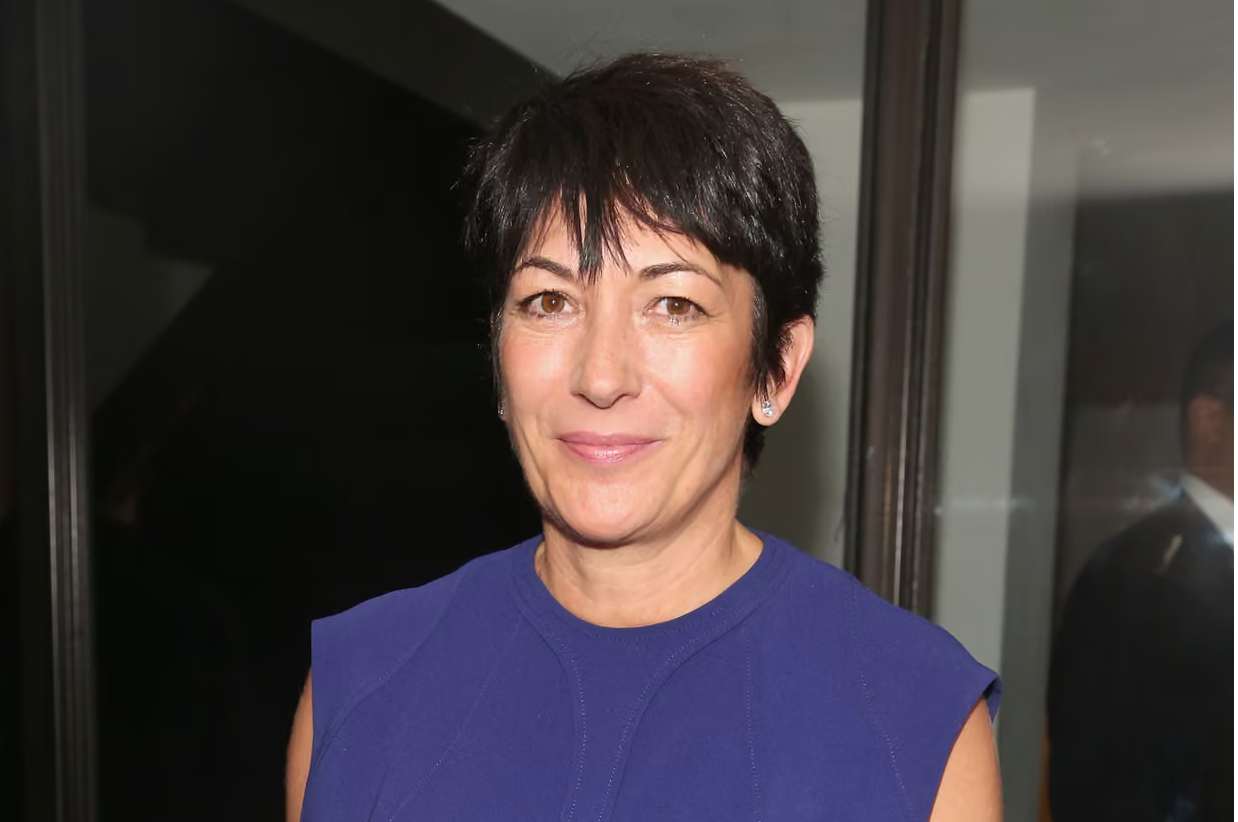
Democratic congressman says Epstein associate’s decision to invoke the Fifth Amendment points to “White House cover-up”
In a highly anticipated testimony held behind closed doors in the US Congress this Monday, Ghislaine Maxwell, convicted of sex trafficking crimes, refused to answer any questions, systematically invoking her constitutional protection against self-incrimination, guaranteed by the Fifth Amendment.
The attitude sparked immediate outrage among lawmakers investigating the Jeffrey Epstein case and dashed expectations for further clarification on the extensive network of abuse.
The refusal to speak was announced at the beginning of the session before the House Oversight and Government Reform Committee by his lawyer, David Oscar Markus, who justified the silence due to a pending habeas corpus request, which alleges that an unjust conviction had been carried out.
However, Markus tied the possibility of Maxwell speaking out to a specific condition: “Ms. Maxwell is prepared to speak fully and honestly if she receives a pardon from President Trump,” he said in a statement. The lawyer also added that only she could exempt public figures such as former presidents Donald Trump and Bill Clinton from any wrongdoing, promising a truth that “some may not like to hear”.
The stance adopted in Congress was considered inconsistent by parliamentarians.
Just six months earlier, in July, Maxwell had given a two-day long interview to Todd Blanche, Donald Trump’s deputy attorney general, without invoking any privilege. At the time, according to her own lawyer, she “answered all questions honestly, sincerely and to the best of her ability.”
Democratic Rep. Ro Khanna, one of those who called the hearing, highlighted this contradiction, questioning why she would refuse to speak to Congress about “substantially similar matters.”
The frustration was bluntly expressed by Representative Robert Garcia, a senior member of the committee. “After months of defying our subpoena, Ghislaine Maxwell finally appeared and said nothing,” Garcia said. “She did not answer any questions and did not provide any information about the men who raped and trafficked women and girls.”
Garcia also directed her criticism at the Trump administration, asking: “Who is she protecting? And we need to know why she was given special treatment in a minimum security prison by the Trump administration. Let’s end this White House cover-up.”
The hearing left unanswered the central questions lawmakers had hoped to ask. Ro Khanna had prepared a list of specific questions, seeking to identify the “four named co-conspirators” and the alleged “25 men” that Maxwell mentioned in previous court documents as intermediaries of secret deals or participants in the abuses on Epstein’s island.
“Who are these men, other than Jeffrey Epstein, who sexually abused minors?” was the key question that remains unanswered. Khanna also planned to question her about the existence of client lists or records containing the names of Epstein’s associates, an allegation the Justice Department denies but which persists in court filings and testimony.
With Maxwell serving a 20-year sentence and invoking silence, and with his lawyer’s statements tying any future revelations to a presidential pardon, the search for accountability beyond the central figure of Jeffrey Epstein and his main accomplice faces yet another significant obstacle.
The episode transforms the congressional hearing, previously seen as an opportunity for advancement, into a new chapter of impasse and questions about who else is being protected by the condemned woman’s silence.
With information from The Guardian on 02/09/2026
Source: https://www.ocafezinho.com/2026/02/09/quem-ghislaine-maxwell-esta-protegendo/