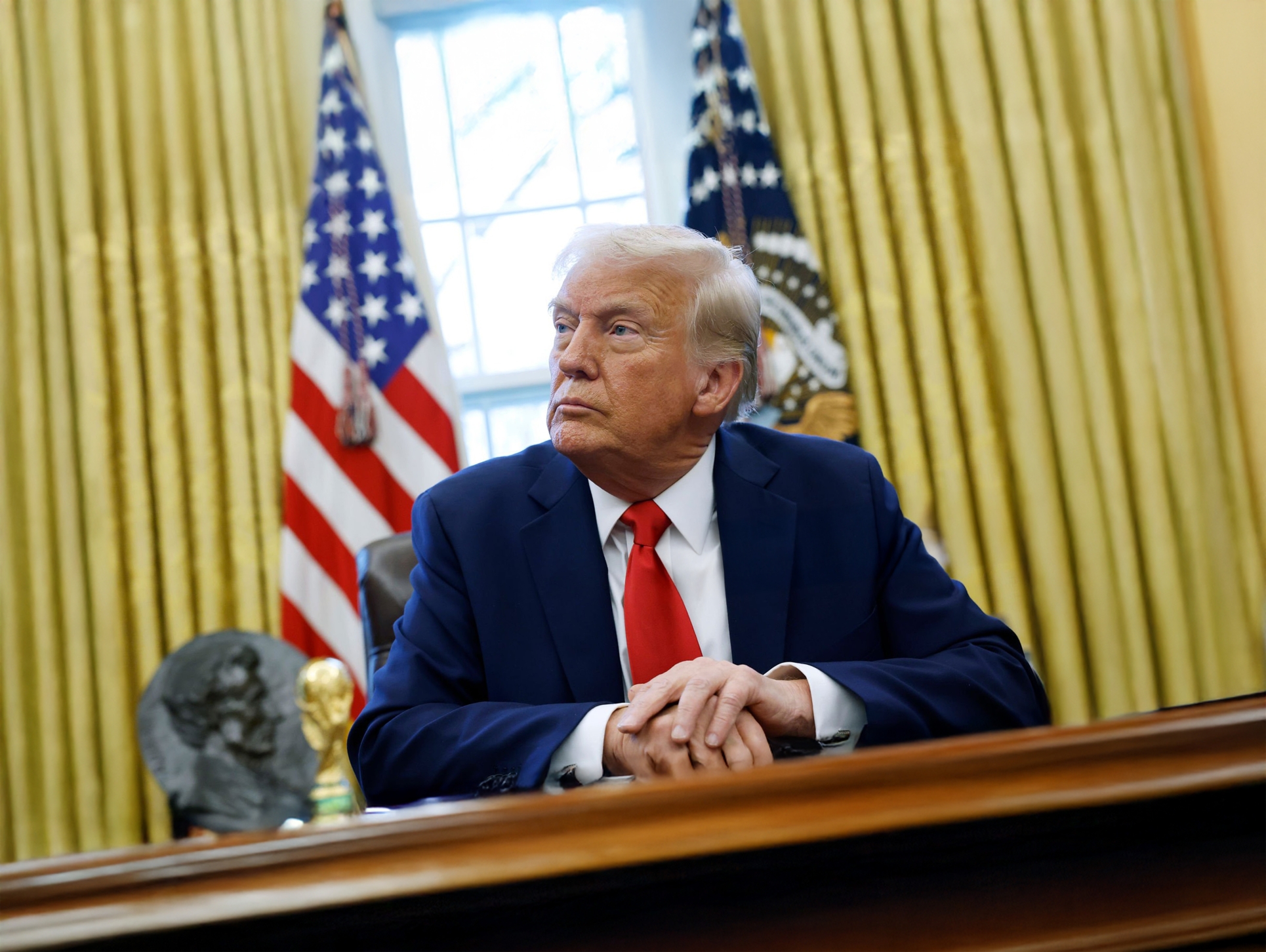
For the first time in a long time, Donald Trump is receiving open opposition from his own party. The US House of Representatives voted 219 to 211 in favor of rolling back tariffs on Canada.
Striking: six Republicans joined the Democrats, while the Republican Party has a narrow majority.
The outcome will not change much in policy for the time being. Trump can block the proposal with a veto. Yet the symbolic value is great. Even within his own party, doubts are growing about one of the pillars of his economic agenda.
Doubt about the emergency argument
Trump imposed the tariffs by declaring a national security crisis. According to him, Canada is doing too little to combat the smuggling of fentanyl. That statement gave him the space to impose a punitive tax of 25 percent on Canadian products.
Critics think that argument is exaggerated. Government figures show that only a small portion of fentanyl enters the country via Canada. The majority is intercepted at the border with Mexico. Initiator Gregory Meeks therefore called Canada not a threat, but an ally.
Voter’s wallet
What concerns many House members is the impact on Americans’ wallets. Higher import costs are usually passed on to the store. According to calculations, the trade tariffs cost families on average hundreds to more than a thousand dollars extra per year.
With the midterm elections approaching in November, this is a sensitive issue. All House seats are at stake. Republicans in districts where the battle is tight will soon have to explain to their voters why groceries, cars or building materials have become more expensive.
Republican Don Bacon spoke of a tax on consumers, farmers and manufacturers. He also warned that Congress hands over too much power when a president can make such drastic decisions through emergency measures.
Threatening words from the White House
Trump reacted angrily to the vote. On social media, he warned that Republicans who voted against the tariffs will face “severe consequences” in elections and primaries.
The chance that the levies will actually disappear is small. This would require a two-thirds majority to override a veto, and that is not available. But the mood shows something else: the self-evident party discipline around Trump is starting to show cracks, just at the moment when voters are mainly concerned with their purchasing power.
Source: https://newsbit.nl/barst-in-trumps-economische-muur-huis-van-afgevaardigden-stemt-tegen-canada-heffing/