UN human rights experts today condemned the executive order issued by the President of the United States on January 29, 2026, which declares a supposed national emergency and authorizes the imposition of trade tariffs on oil imports from third countries to Cuba.
“The US executive order imposing a fuel blockade on Cuba is a serious violation of international law and a serious threat to a democratic and equitable international order,” the experts said.
“This is an extreme form of unilateral economic coercion with extraterritorial effects, through which the United States seeks to exercise coercion over the sovereign State of Cuba and compel other third-party sovereign States to alter their legitimate commercial relations, under threat of punitive commercial measures,” they stated.
The experts emphasized that characterizing Cuba as an “unusual and extraordinary threat” to the national security of the United States and accusing the country of supporting “transnational terrorist groups” lacks credibility and appears intended to justify the use of extraordinary and coercive powers. “In the absence of authorization from the United Nations Security Council, the executive order has no basis in collective security and constitutes a unilateral act incompatible with international law,” they stated.
“There is no right, under international law, to impose economic sanctions on third states for maintaining lawful commercial relations with another sovereign country,” stated the experts.
They warned that the US executive order directly violates the principles of sovereign equality, non-intervention and self-determination, which are essential pillars of a democratic and equitable international order, as reflected in Article 2(1) of the UN Charter. Furthermore, it bypasses multilateral structures that govern international trade and security, including the World Trade Organization.
“A democratic international order cannot be reconciled with practices in which one state claims the authority to dictate the domestic policies and economic relations of others through threats and coercion,” the experts said.
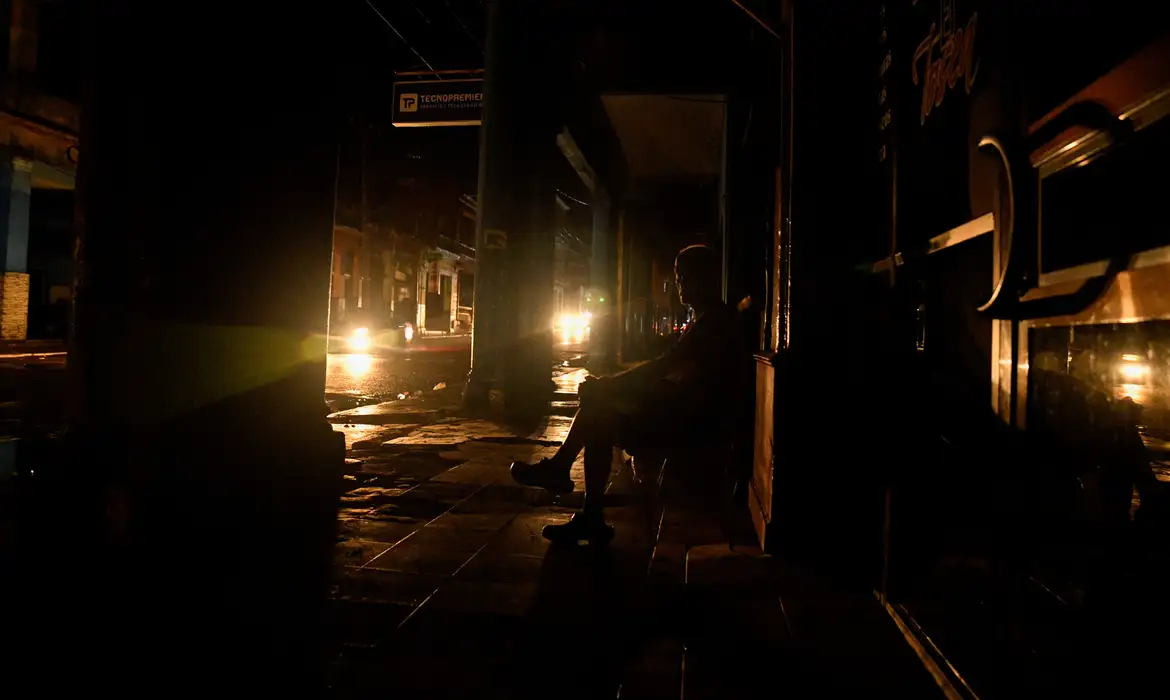
They expressed deep concern about the foreseeable humanitarian consequences of restricting fuel supplies to Cuba through coercion by third states. “Cuba already faces serious energy shortages due to previous US sanctions, with blackouts lasting up to 20 hours in many areas, affecting the refrigeration of food and medicines and contributing to public health crises.”
Fuel is indispensable for electricity generation, water and sanitation systems, hospitals, public transport and food production, including irrigation, harvesting, refrigeration and food distribution.
“Interfering with fuel imports could lead to a serious humanitarian crisis with cascading effects on essential services,” the experts said.
They recalled that measures that are likely to result in shortages of essential goods could amount to collective punishment of civilians, raising serious concerns under international human rights law.
Experts called on the US government to immediately revoke the executive order and cease the use of extraterritorial economic measures, aligning its conduct with international law. The executive order worsens the effects of the already illegal designation of Cuba as a “State Sponsor of Terrorism” by the US.
They urged all States to refrain from recognizing or giving effect to unilateral coercive measures that undermine international law and to take all appropriate measures, including diplomatic and multilateral actions, to uphold the principles of international cooperation, sovereign equality, non-intervention and the peaceful resolution of disputes.
“The normalization of unilateral economic coercion erodes the international legal order, weakens multilateral institutions and inflicts unacceptable suffering on civilian populations,” the experts said. “Collective action by States is essential to the defense of a democratic and equitable international order.”
Originally published by ONU News on 02/12/2026
Source: https://www.ocafezinho.com/2026/02/12/onu-diz-que-bloqueio-americano-a-cuba-viola-leis-internacionais/