European Union strategy treats chips as a matter of sovereignty, qualified jobs and security of hospitals, plants and electrical grids
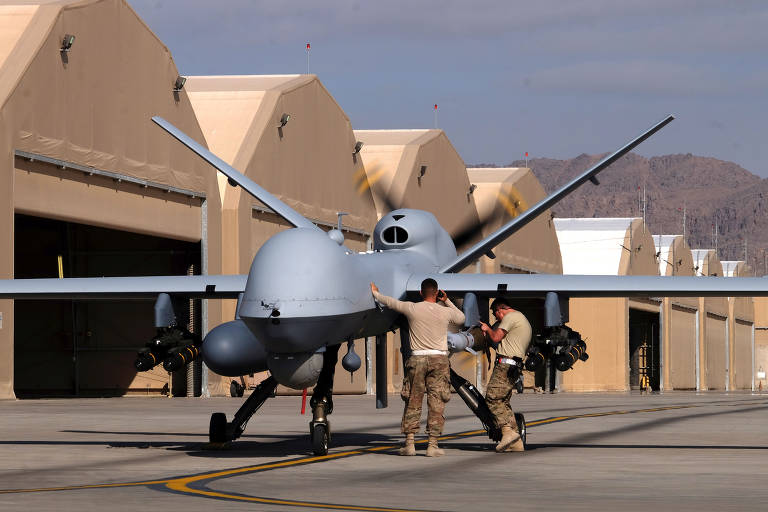
The European Union is preparing to take a decisive step in regulating and strengthening the drone sector. Next week, the block should present a new strategy that puts “reliable semiconductors” at the heart of systems used in both civil and defense applications. The initiative seeks to reduce the risks of sabotage, tampering and cyber attacks, in addition to boosting European production capacity in an increasingly strategic sector.
According to information released by Bloomberg, the proposal is still in the adjustment phase. Even so, the plan signals a direct response to a scenario of growing geopolitical tensions and vulnerabilities in European airspace. The idea is clear: without technological control and digital security, there is no sovereignty or effective protection of critical infrastructures.
In recent months, the EU has started to treat the issue of drones as a priority. The reason is the increase in incidents involving violations of the block’s airspace. In September, NATO fighter jets shot down 19 Russian drones that crossed Polish airspace. The episode marked a historical precedent, as it was the first time that an alliance country shot down a military aircraft on its territory since the start of the large-scale Russian invasion of Ukraine in 2022.
Given this context, Brussels decided to speed up responses. Furthermore, European authorities assess that dependence on technological components that are poorly auditable represents a structural risk. Therefore, the defense of secure chips resistant to digital threats has gained ground in the political and industrial debate.
The new strategy advocates the use of semiconductors designed to resist physical tampering and cyberattacks. In practice, this means demanding higher safety standards for components that control drones, from those used in civil inspections to those used in military operations.
In addition to increasing security, the measure is also in line with the European industrial agenda. By prioritizing reliable chips, the EU seeks to stimulate internal innovation, reduce external dependencies and strengthen local production chains. Thus, security and industrial policy go hand in hand, with a focus on qualified jobs and technological autonomy.
Regulation and protection of critical infrastructures
Another central axis of the plan involves the adaptation of existing rules. The European Commission intends to review regulations to address specific threats posed by drones, especially with regard to the protection of critical infrastructure such as energy, transport and communications networks.
In this sense, the strategy proposes systematic security assessments and preventive measures against aerial intrusions. The objective is to increase the bloc’s resilience, while creating a clearer regulatory environment for companies and national authorities.
The EU also plans to accelerate the drone alliance with Ukraine, previously announced but not yet implemented. Last year, the European Commission even proposed the creation of a “anti-drone barrier”an idea that met resistance in some Member States. Still, the bloc made progress by bringing forward €6 billion of a G7 loan to support an anti-drone alliance with Kiev.
Now, the new strategy aims to transform these intentions into concrete actions. Before the European summer, the Commission should convene an industrial forum to expand drone production. Furthermore, the plan envisages the creation of an anti-drone defense research and development center by the beginning of 2027.
To strengthen internal cooperation, the EU wants to launch annual drone safety exercises. These trainings should test protocols, improve coordination and prepare joint responses to risk situations. At the same time, the bloc plans to create rapid response teams for emergencies involving drones by the European autumn.
These teams will have the mission of acting in an integrated manner between Member States, reducing reaction time and increasing the effectiveness of actions. The logic is simple: transnational threats require collective and well-coordinated responses.
Finally, the European Commission should request that each country in the bloc appoint drone safety coordinators. These responsible will monitor the implementation of the action plan and ensure alignment between national policies and the common strategy.
The plan also remains open to external partners. The United Kingdom and Norway appear as potential participants, which reinforces the idea of broad regional cooperation. In a global scenario marked by conflicts and technological disputes, the EU is betting on coordination, regulation and innovation as ways to protect its airspace and its political project.
With information from Bloomberg and Investing*
Source: https://www.ocafezinho.com/2026/02/08/por-que-a-ue-quer-mudar-a-politica-de-drones-civis-e-militares/