Initiative comes as African countries seek to reduce exchange rate risks and dependence on the dollar amid global geopolitical pressures
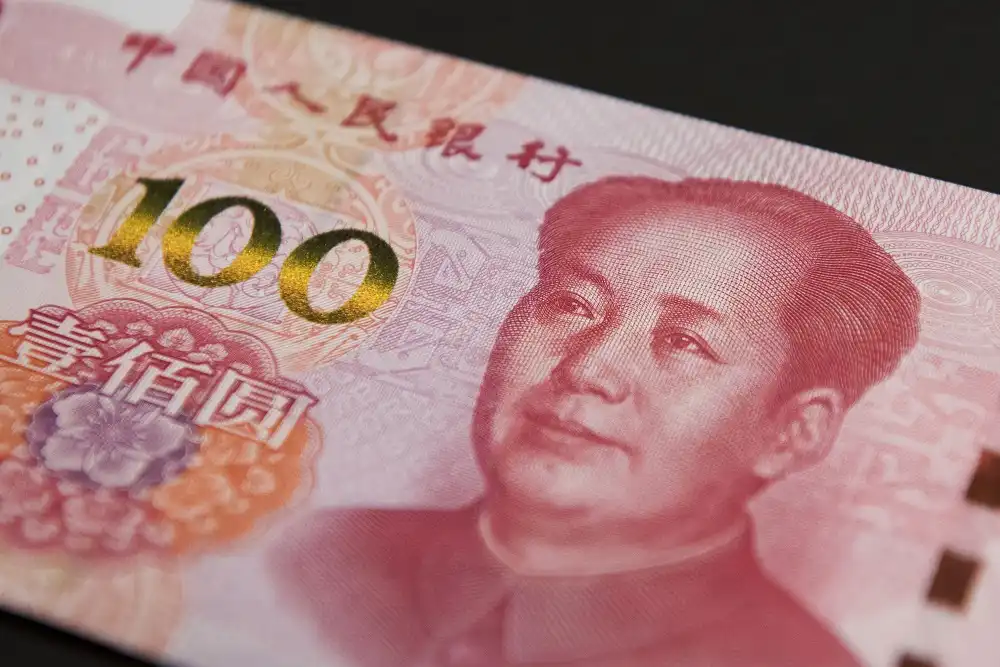
Zambia has just become a pioneer in allowing Chinese mining companies to pay taxes in yuan. This decision could inspire other African countries. After all, Beijing is accelerating efforts to raise its currency around the world and reduce dependence on the US dollar. Furthermore, the change reflects a growing trend on the continent.
According to Bloomberg, Zambian authorities announced the news on December 31st. China, as Africa’s largest trading partner, sees this as a victory. Kenya has already exchanged part of its dollar debt for yuan. Ethiopia is negotiating something similar. Last year, the African Export-Import Bank issued its first panda bond. Therefore, the yuan gains ground.
Tewodros Sile, senior consultant at Africa Practice, explains: “a model that China could repeat elsewhere on the continent as it seeks to further demonopolize the international financial architecture.” He adds that these actions strengthen China’s ties with key African allies. However, the yuan still represents less than 2% of the world’s reserves.
African countries are looking for options beyond the dollar. China, as a major creditor, finances projects in Zambia and elsewhere. It also buys many commodities from the continent. Therefore, increasing the use of the yuan benefits everyone.
Washington uses the dollar as a tool against rivals, via sanctions. This encourages alternatives. Last week, Donald Trump’s Justice Department subpoenaed the Federal Reserve. Analysts saw this as pressure for lower interest rates. This action threatens the bank’s independence and undermines confidence in American assets.
Xi Jinping, Chinese president, has advocated a strong currency by 2024. He aims to make China a financial powerhouse. Although Beijing does not push openly, the yuan advances. However, capital controls limit its expansion.
Trade with China boosts the yuan. Its share of commercial financing rose from 2% to 7% in five years, according to the People’s Bank of China. In October, an annual report promised to attract more foreign entities. The low costs of the yuan – 200 basis points below the dollar – tempt investors.
The bank did not respond to a request for comment on Jan. 16. Despite the gains, challenges persist. IMF data shows the yuan at 1.93% of global reserves from July to September 2025. Payments via Swift fell to 2.94% in November, after peaking at 4.74% in 2024.
Kean Fan Lim of the University of Newcastle notes: “The rise in renminbi reserves in African countries and their willingness to convert debt into renminbi certainly reflects an expanded reach of the currency.” He warns that the yuan is not fully convertible. Thus, it serves more as a bargaining chip.
More African nations adopt the yuan for trade and investment. This integrates them into Chinese influence. Jito Kayumba, advisor to Zambian President Hakainde Hichilema, highlights benefits. He tells Bloomberg: “Obviously, we value the dollar — it’s the reserve currency.” And he adds: “But the greater the demand for it, the greater the significant exchange rate risk for us.”
This strategy protects against US shocks. Therefore, Zambia is leading a movement. Other countries may follow. In the end, the yuan challenges the dollar’s dominance. Africa gains financial autonomy.
Source: https://www.ocafezinho.com/2026/01/21/china-avanca-na-africa-ao-internacionalizar-a-propria-moeda/