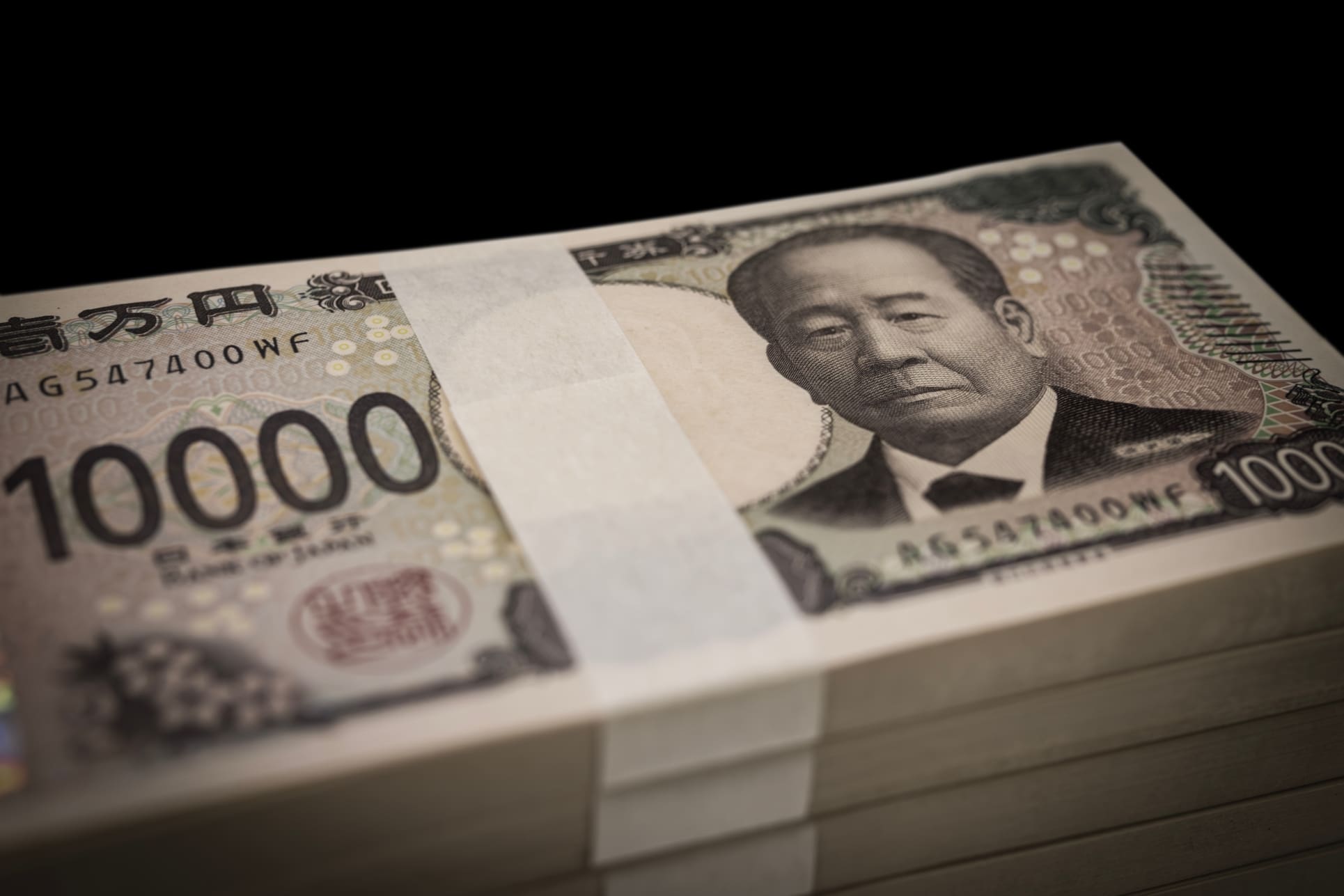
Financial markets are nervous after Japan suggested it could intervene to stop the yen’s decline. Statements from Prime Minister Sanae Takaichi and signals from the United States already caused a sharp price movement on Friday.
This is an important signal for investors worldwide, because unrest surrounding the Japanese currency often extends beyond just the currency market.
Rumors of intervention spark sudden yen rally
Tensions rose after traders reported during the US trading session that the Federal Reserve Bank of New York had contacted financial institutions to inquire about the yen rate. In currency markets, such a so-called rate check is seen as a final warning before actual intervention.
Japanese authorities previously declined to confirm whether similar steps had been taken from Tokyo itself. However, nervousness increased further following statements from Prime Minister Takaichi, who said her government would take all necessary measures against speculative and abnormal market movements. Such language is rarely used and is taken seriously by investors.
The effect was immediately visible on Friday. The yen abruptly reversed an earlier decline and rose sharply against the dollar. This was the largest single-day increase in months. It is striking that this movement was not caused by stronger economic news, but almost entirely by fear of political intervention.
What this signal says about the stock markets
Movements in the yen are closely monitored on the stock markets. A sudden strengthening of the Japanese currency could lead Japanese investors to withdraw money from foreign markets. This often creates additional selling pressure on American and European stocks, especially technology companies.
In the past, similar yen turmoil has regularly been accompanied by higher volatility and nervous trading days. Even without concrete bad company news, prices can come under pressure, simply because investors want to reduce risk.
What does this mean for the crypto market?
For the crypto market, this type of macroeconomic unrest is mainly relevant in the short term. In periods when governments intervene and markets become turbulent, many investors opt for safety. Risky investments such as crypto often have a harder time, with altcoins generally falling faster than Bitcoin.
At the same time, this situation fits into a broader pattern in which governments are increasingly trying to steer markets. In the longer term, this fuels the story behind Bitcoin, which is built on scarcity and independence from central policymakers.
Markets remain vulnerable
The warnings from Japan mainly underline how sensitive financial markets currently are to political signals. As long as the threat of intervention lingers, there remains a high chance of sharp and unexpected movements. This applies not only to the yen, but also to shares and crypto.
Source: https://newsbit.nl/markten-nerveus-door-japanse-waarschuwing-wat-betekent-dit-voor-bitcoin/