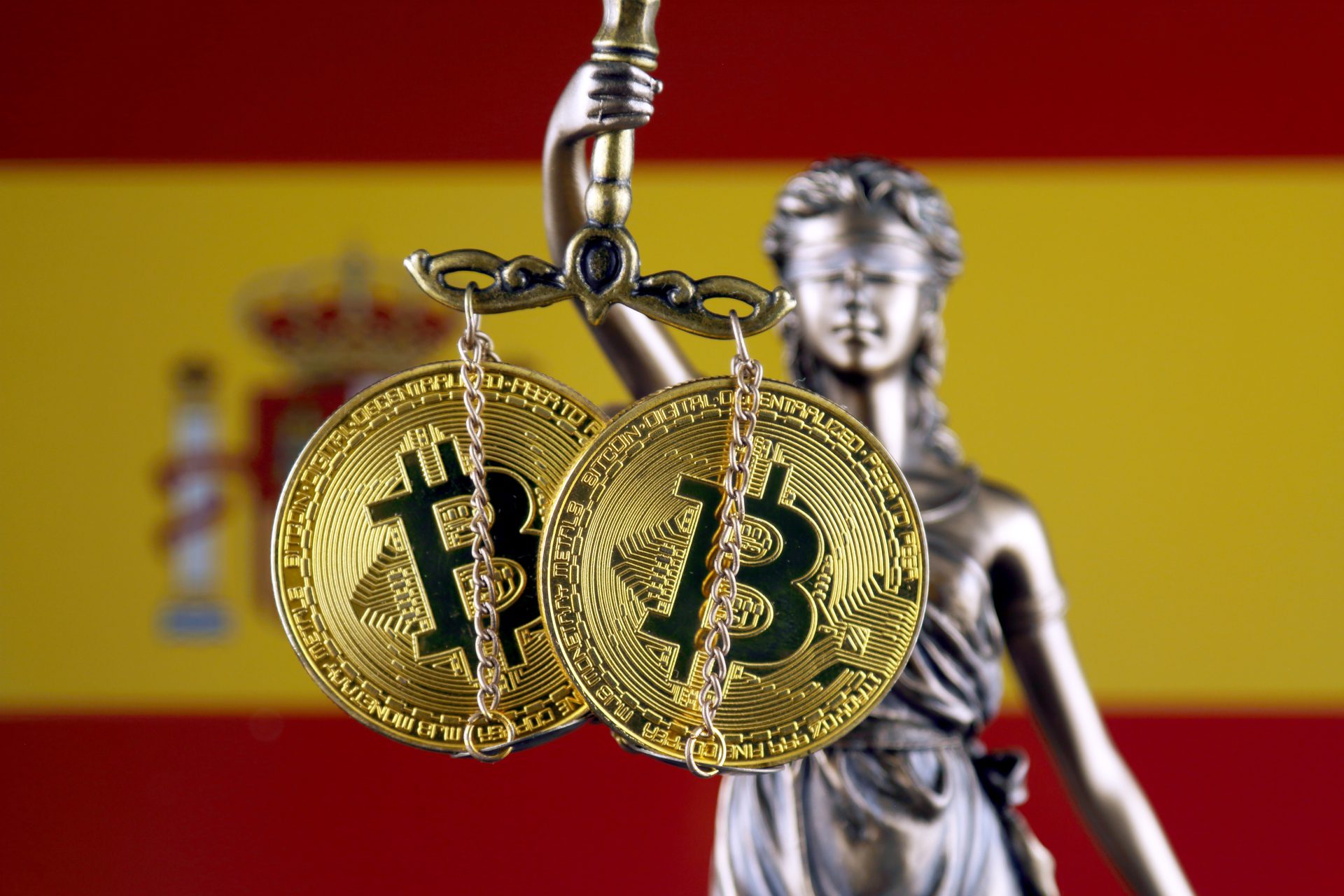
Spain is on the cusp of a major change in the way the country handles cryptocurrencies. The government wants to fully implement two important European rules in 2026: MiCA and DAC8. This means that crypto companies will be more strictly regulated and the tax authorities will have far-reaching powers to monitor transactions and ownership of digital currencies. The plans provide more clarity and supervision, but also raise concerns about innovation and competitiveness.
Spain follows European crypto rules
The Spanish authorities are working on a national legal framework that is in line with European agreements. This concerns the Markets in Crypto-Assets Regulation (MiCA) and the Administrative Cooperation Directive (DAC8). Both rules are intended to better regulate the fast-growing crypto sector and combat tax avoidance.
MiCA has already entered into force within the European Union at the end of 2024, but Spain chose to use the maximum transition period. According to regulators, the regulations will be fully applicable in Spain by mid-2026.
What does MiCA mean for crypto companies?
MiCA focuses mainly on the operation of the crypto market. The rules provide clear definitions of different types of digital assets, such as stablecoins and other cryptocurrencies. Requirements are also imposed on the way in which these products may be issued and promoted.
Companies active in the crypto sector must comply with uniform European standards. Supervision in Spain lies with the National Securities Market Commission (CNMV). More than sixty companies, including major banks, have already registered there. They have until July 1, 2026 to fully comply with the rules.
DAC8 gives the tax authorities complete insight
In addition to market regulation, Spain is also strongly committed to fiscal transparency. This is done via DAC8, a European directive that is expected to come into effect on January 1, 2026. This measure obliges crypto exchanges and service providers to automatically share data with the tax authorities.
This includes transaction histories, account balances, and information about crypto purchases, sales, and transfers. This makes anonymous trading within regulated platforms virtually impossible.
The Spanish tax authorities will also be given the authority to confiscate cryptocurrencies for outstanding tax debts. According to the European Commission, DAC8 could generate billions of euros in additional tax revenue within the EU.
Also small transactions under supervision
An important difference with the traditional banking system is the level of detail. While banks only have to report large assets, almost all transactions will soon be visible in the crypto market. Small amounts are also subject to the reporting obligation.
The data collected in 2026 will be actively used for tax audits from 2027. According to tax experts, this goes beyond the information currently required from banks.
Criticism of strict Spanish policies
The plans have led to criticism from the sector and among economists. They argue that Spain is introducing stricter rules than some other countries, which could slow down innovation and investment. There are fears that crypto companies will avoid Spain or relocate their operations.
Critics also point to international developments. In the United States, for example, there is talk of legislation that would make it possible to pay taxes in bitcoin. According to them, this shows that there is also room for a more innovation-oriented approach.
Political debate not yet concluded
The debate about crypto is still ongoing within Spanish politics. Left-wing parties within the governing coalition argue for a higher tax burden on income from digital currencies. They see crypto as an important point of attention in the fight against tax fraud.
Consequences for citizens and investors
For Spanish citizens, the new regulations mainly mean that crypto becomes more transparent and less optional. Owning and trading in digital currencies are more closely monitored and must be correctly reported on tax returns.
With the introduction of MiCA and DAC8, Spain is clearly opting for more supervision and control. Whether this leads to a stable and reliable crypto market or to less innovation will become clear when the rules are fully in force in 2026.
Source: https://newsbit.nl/spanje-scherpt-cryptoregels-aan-volledige-invoering-mica-en-dac8-gepland-voor-2026/