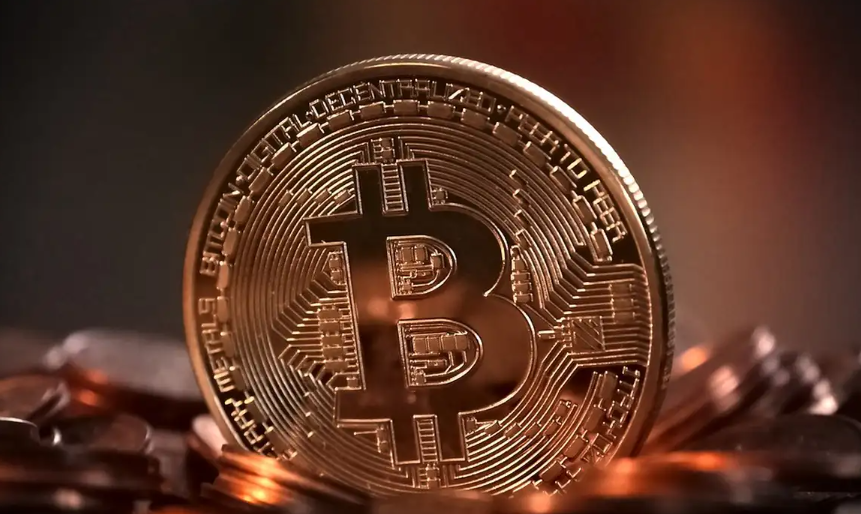
The devaluation of US$ 1 trillion in the global market led companies that were once crypto enthusiasts to sell digital reserves to try to contain the accelerated fall of their shares
The wave of euphoria that transformed companies into true “digital asset treasuries” lost strength dramatically. With a devaluation of US$1 trillion sweeping the global cryptocurrency market, companies that bet heavily on this model now face an uncomfortable reality: to avoid an even greater collapse in the value of their shares, many are rushing to get rid of the very tokens that once symbolized their engine of growth.
Pressured companies resort to selling digital reserves
The sector’s decline is so intense that companies known for accumulating cryptocurrencies have begun to liquidate part of their stocks in an attempt to sustain their own market value. The most emblematic case is that of Strategy, led by Michael Saylor, who for years was a symbol of the narrative that bitcoin could function as a corporate store of value. In the last three months, however, shares of the giant — the largest corporate holder of bitcoin on the planet — have plummeted 50%, dragging down dozens of imitators that followed its model.
The damage is profound: around US$77 billion has evaporated from the market value of these companies since the peak of US$176 billion recorded in July, according to industry data published by The Block. Strategy is now worth less than the bitcoins it owns, fueling fears among investors that the “virtuous circle” based on the continuous appreciation of cryptocurrencies and massive issuance of shares and debt has come to an end.
For Adam Morgan McCarthy, senior analyst at Kaiko, the turbulence is likely to intensify. “There will be a widespread liquidation of these companies; the situation will get worse,” he said. “It’s a vicious cycle. Once prices start to plummet, it will be a race to the bottom.”
Sector that rode the euphoria now faces sudden reversal
Strategy’s movement had inspired groups as diverse as movie production companies, e-cigarette makers and electric vehicle companies. The aggressive entry of these companies into the crypto market was one of the factors that helped bitcoin reach its all-time high last month. But the wave turned.
The new phase of intense sales hit the sector hard during the autumn, at a time of strong flight of speculative assets. It is a bitter turnaround for a market that, just a year ago, celebrated promises from then-President Donald Trump to transform the United States into a “bitcoin superpower”.
In Japan, Metaplanet — the country’s largest bitcoin holder — has seen its shares fall 80% since the peak reached in June. This week, the company raised a loan of US$130 million guaranteed by its bitcoin reserve, which should be used, among other purposes, to buy back shares. In the United Kingdom, Smarter Web Company suffered a 44% drop in the year; its market value is just £132 million, while its bitcoin reserves amount to around $232 million.
For Jake Ostrovskis, head of OTC trading at Wintermute, the outcome was predictable. “It was inevitable,” he said. “It got to the point where there were too many shares.”
Token sales become survival strategy
With pressure increasing, companies began selling their cryptocurrencies to finance buyback programs and try to contain the fall in their shares. North Carolina-based Ether holder FG Nexus recently sold around $41.5 million worth of tokens to maintain its buyback plan. Despite having a market value of US$104 million, its cryptocurrency reserves are worth more — around US$116 million.
ETHZilla, a Florida life sciences company, followed suit, selling approximately $40 million in Ether to bolster cash for share repurchases.
In an even more delicate scenario, French company Sequans Communications had to sell around US$100 million in bitcoins to pay off debts — a clear sign of how companies that used loans to finance crypto purchases are now facing increasing difficulties. The company is worth US$87 million on the stock exchange, while its bitcoin reserves total around US$198 million. For executive director Georges Karam, the sale was a “tactical decision aimed at unlocking value for shareholders, given current market conditions”.
Analysts warn that companies with niche tokens could face even greater obstacles. Morgan McCarthy reminds us that liquidity is limited for little-known assets: “When a medical device company buys a niche asset in cryptocurrencies, a niche asset within a niche market, the result will not be good,” he states, estimating that 95% of digital assets “will reach zero.”
Strategy insists on betting even with the risk of exclusion from indices
While many companies rush to reduce exposure, Strategy is moving in the opposite direction. Even after bitcoin fell from US$115,000 to US$87,000 in one month, the company bought even more tokens — a decision that comes amid the risk of being excluded from some of the main stock indices, which could generate a new wave of pressure on its shares.
Saylor, always vocal in defense of bitcoin, downplayed the concerns. “Volatility is Satoshi’s gift to the faithful,” he said this week, evoking the cryptocurrency’s pseudonymous creator.
At a time when thousands of ordinary investors view the turbulence with apprehension, the phrase sounds like a reminder that faith in the crypto market has never been consensus — and that, when the cycle turns, it is precisely the most exposed who pay the highest price.
With information from Financial Times*
Source: https://www.ocafezinho.com/2025/11/27/vendas-aceleram-e-setor-cripto-enfrenta-nova-queda/