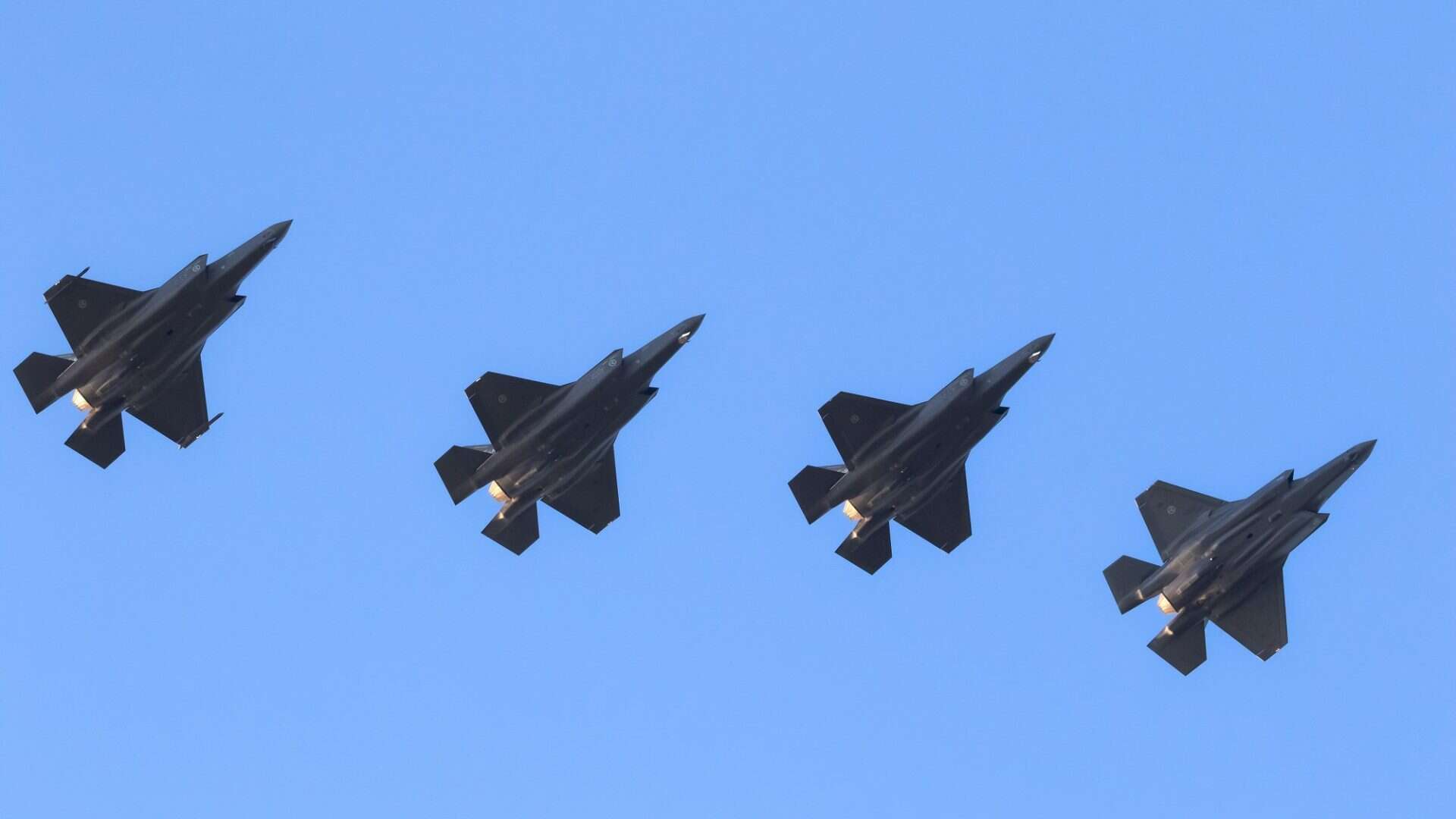
United States military planes have been patrolling the international airspace around Venezuela “almost constantly” in recent days. The information was released this Saturday (29) by The Washington Post and reported by the Sputnik agency, citing a senior North American official who remained anonymous.
According to the report, the overflights are part of the increase in US operational presence in the Caribbean, which Washington attributes to the fight against drug trafficking. The intensification coincides with the recent statement by US President Donald Trump, who asked airlines to consider airspace “above and around Venezuela” closed.
Continuous patrols and pressure on trade routes
The employee heard by the Washington Postcited by Sputnikstated that the actions are part of broader anti-drug operations. In September and October, US ships and aircraft destroyed vessels that, according to the US government, were transporting drugs near the Venezuelan coast.
Despite Trump’s appeal, airport data analyzed by Sputnik indicate that commercial flights are still scheduled for Caracas. Aircraft from Turkish Airlines, Copa Airlines and Wingo remain listed to depart from Havana, Panama City and Bogotá towards the Venezuelan capital.
North American operations increase regional tension
The military escalation comes after new reports that the US would consider more aggressive actions in Venezuelan territory. In September, NBC reported that the US military was evaluating options to attack alleged drug traffickers inside Venezuela.
In early November, Trump declared that, in his assessment, “President Nicolás Maduro’s days as head of state were numbered”, although he stated that Washington “did not plan to go to war” with Caracas.
The Venezuelan government did not comment on the new information, but has historically maintained that US military operations in the Caribbean represent a threat to its sovereignty and are part of a political pressure effort.
Source: https://www.ocafezinho.com/2025/11/29/eua-reforcam-presenca-de-jatos-de-guerra-no-espaco-aereo-do-caribe/